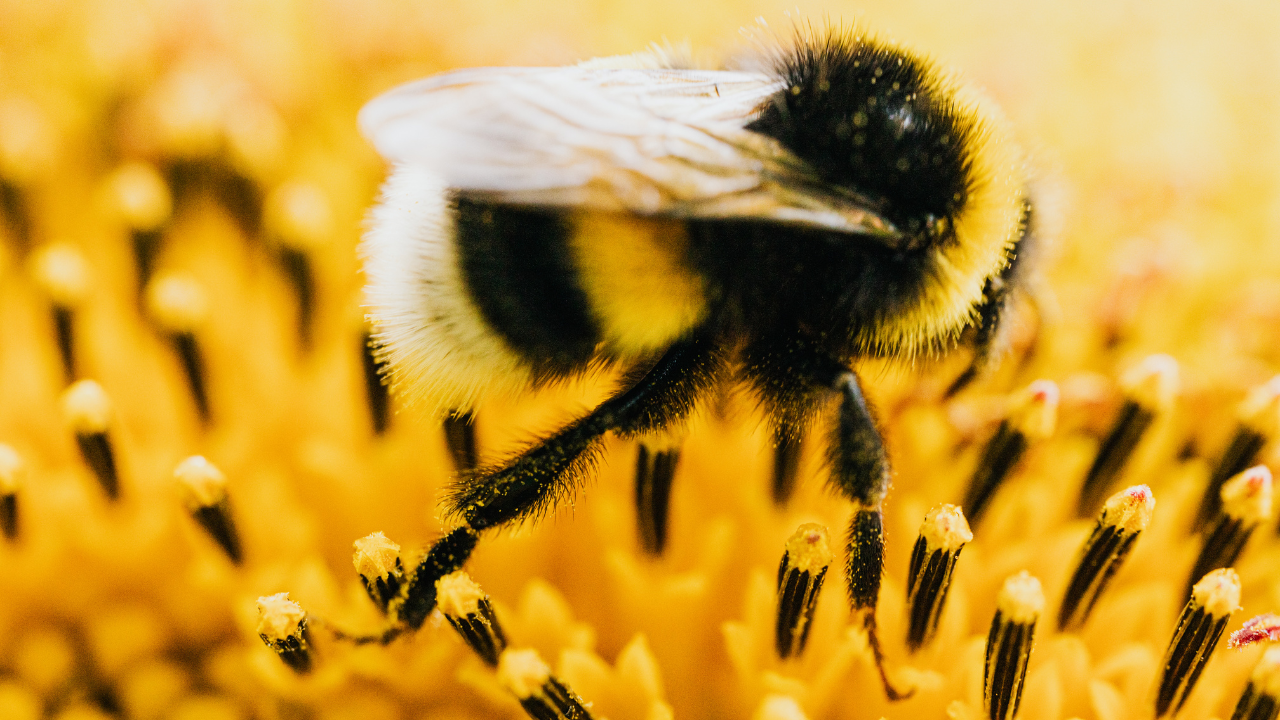





Increasing atmospheric carbon dioxide levels pose a new threat to global pollinators. Larger bee species are becoming less abundant and genetically diverse. This shift favors smaller-bodied pollinators, impacting crucial pollination services. Nutritional changes in plants make it harder for large bees to meet energy demands. Protecting these vital pollinators requires addressing rising carbon dioxide emissions. Increasing atmospheric carbon dioxide levels pose a new threat to global pollinators. Larger bee species are becoming less abundant and genetically diverse. This shift favors smaller-bodied pollinators, impacting crucial pollination services. Nutritional changes in plants make it harder for large bees to meet energy demands. Protecting these vital pollinators requires addressing rising carbon dioxide emissions.