
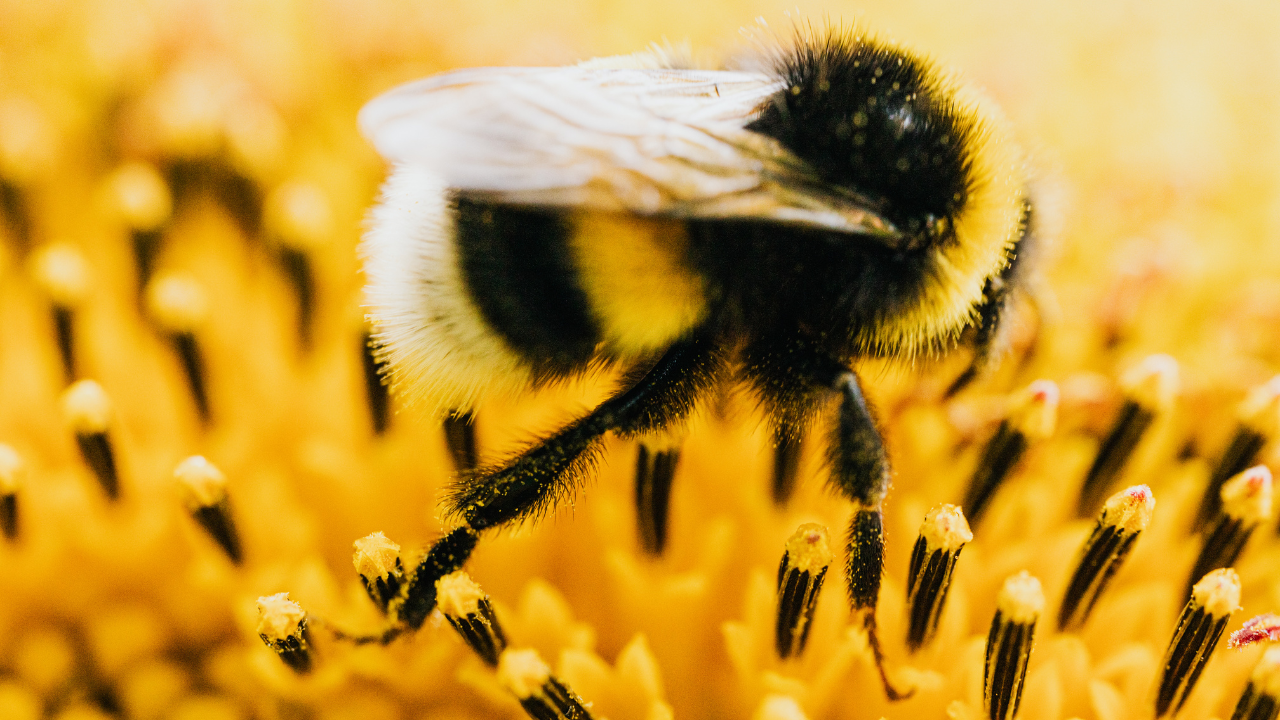
Increasing atmospheric carbon dioxide levels pose a new threat to global pollinators. Larger bee species are becoming less abundant and genetically diverse. This shift favors smaller-bodied pollinators, impacting crucial pollination services. Nutritional changes in plants make it harder for large bees to meet energy demands. Protecting these vital pollinators requires addressing rising carbon dioxide emissions. Increasing atmospheric carbon dioxide levels pose a new threat to global pollinators. Larger bee species are becoming less abundant and genetically diverse. This shift favors smaller-bodied pollinators, impacting crucial pollination services. Nutritional changes in plants make it harder for large bees to meet energy demands. Protecting these vital pollinators requires addressing rising carbon dioxide emissions.
Trending
- Congress vs Congress in Punjab: With ‘sleeper cell’ warning, party puts Channi camp on notice
- ‘Illegal Yunus govt gave immunity to killers’: Hasina says Aug 5 revolt was to grab power
- ‘Orchestrated spectacles’: India rejects Pakistan’s ‘Youm-e-Istehsal’ on revocation of Article 370
- ‘Spewing venom to stay politically relevant’: Owaisi hits back with ‘chair-stool’ jab at Keshav Maurya over madrassa remarks
- Air India names Tewolde Gebremariam CEO and managing director
- Evening news wrap: Meta CEO Mark Zuckerberg apologises to Centre; Rahul Gandhi meets student protesters, targets PM Modi & more
- Penguins linked to former Oilers goalie Connor Ingram in NHL free agency
- Lucknow-Kanpur Expressway damage: Toll collection suspended

Scientists link rising CO₂ to decline of the world’s largest bees
 By
By

Add A Comment