
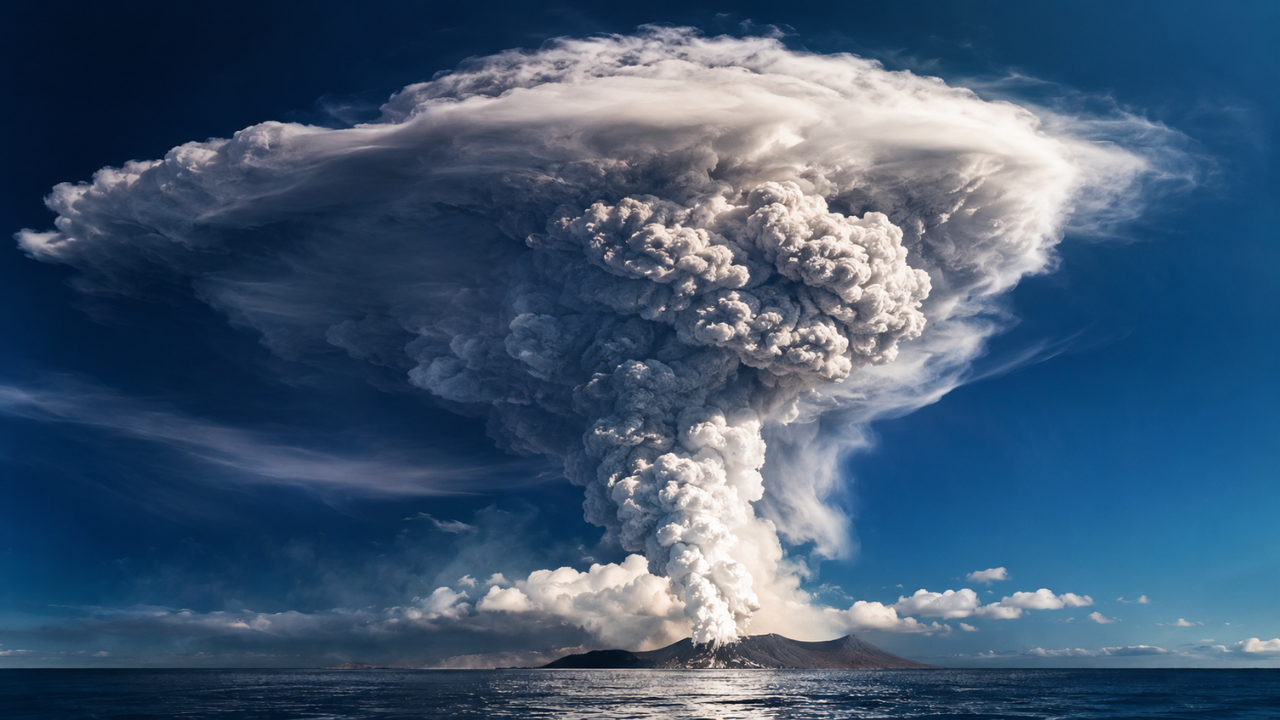
An eruption from an underwater volcano released a massive cloud of water vapor into the stratosphere, impacting global weather patterns for two years. This additional moisture led to an initial cooling effect on the stratosphere while also modifying circulation patterns. The presence of sulfate aerosols played a significant role in blocking sunlight, creating a stronger cooling influence. An eruption from an underwater volcano released a massive cloud of water vapor into the stratosphere, impacting global weather patterns for two years. This additional moisture led to an initial cooling effect on the stratosphere while also modifying circulation patterns. The presence of sulfate aerosols played a significant role in blocking sunlight, creating a stronger cooling influence.
Trending
- Kansas cowboy turns 50 wind turbines into his most reliable cash crop
- In 1993, Minnesota turned 5,000 acres of abandoned iron mines and 15 flooded pits up to…
- ‘Shameful’: UP Congress to boycott TV debates with Ayodhya priest after spokesperson abused
- Evening news wrap: Xi expected to visit India for Brics summit; Mojtaba makes rare appearance & more
- ‘Lake America’: Trump floats plan to rename Lake Ontario amid US-Canada trade row
- Cavers broke through a New Mexico pit to uncover 145 miles of Lechuguilla Cave
- Happy Onam 2026: Best wishes, quotes & messages for family and friends
- ‘Do you swim with full suit?’ Rijiju hits back at Khera for mocking swimming video

In 2022, Hunga Tonga sent water vapour into the stratosphere, altering ozone and radiation
 By
By

Add A Comment