
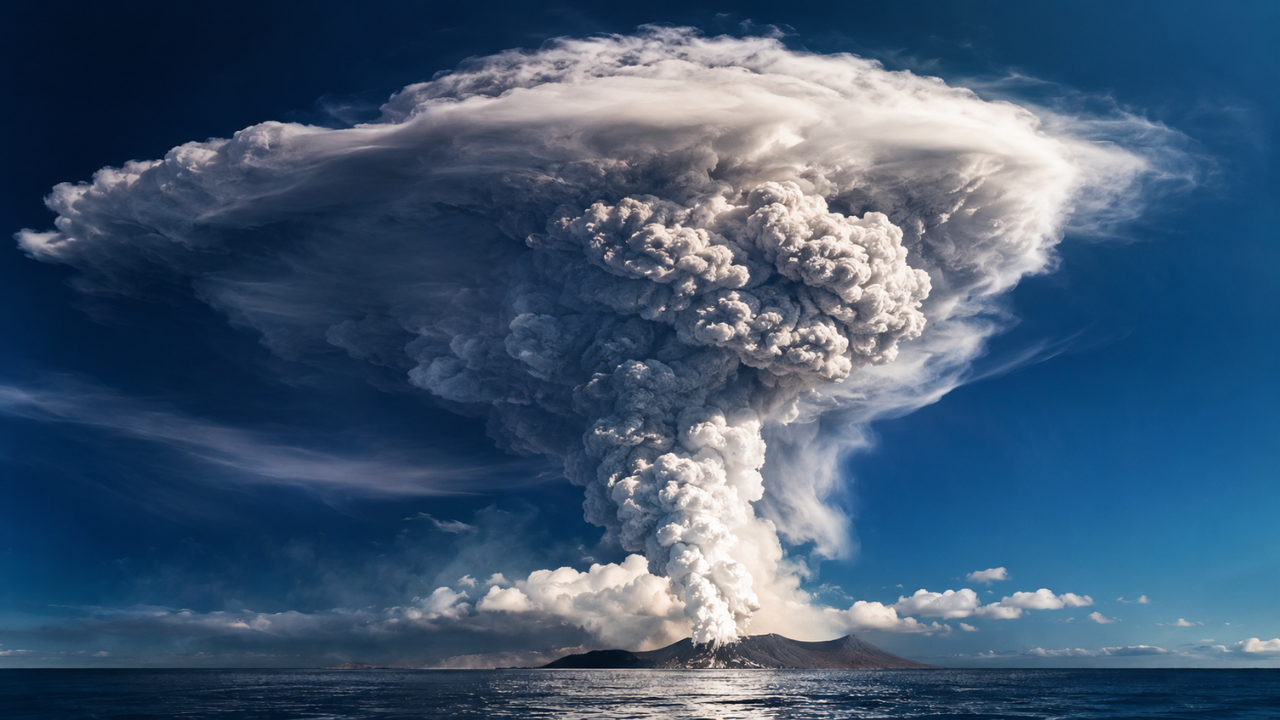
An eruption from an underwater volcano released a massive cloud of water vapor into the stratosphere, impacting global weather patterns for two years. This additional moisture led to an initial cooling effect on the stratosphere while also modifying circulation patterns. The presence of sulfate aerosols played a significant role in blocking sunlight, creating a stronger cooling influence. An eruption from an underwater volcano released a massive cloud of water vapor into the stratosphere, impacting global weather patterns for two years. This additional moisture led to an initial cooling effect on the stratosphere while also modifying circulation patterns. The presence of sulfate aerosols played a significant role in blocking sunlight, creating a stronger cooling influence.
Trending
- Iran used mosques to surveil, shoot at January protesters: Report
- Vande Mataram row: Is Congress taking a calculated gamble or walking into BJP’s trap?
- Colombian drug gangs recruiting children through social media to pilot drones
- ‘Rahul Gandhi is the Chinese robot’: BJP mocks Congress after MP’s LAC warning
- Sugar prices cool 18% after hitting record high, ex-mill rates fall to Rs 55 per kg
- Colombo Test sees third ICC punishment as Jayasuriya joins Jaiswal, Fernando
- In 2022, Hunga Tonga sent water vapour into the stratosphere, altering ozone and radiation
- Overnight raid near Haiti capital kills around 50 – here is what happened

In 2022, Hunga Tonga sent water vapour into the stratosphere, altering ozone and radiation
 By
By

Add A Comment