




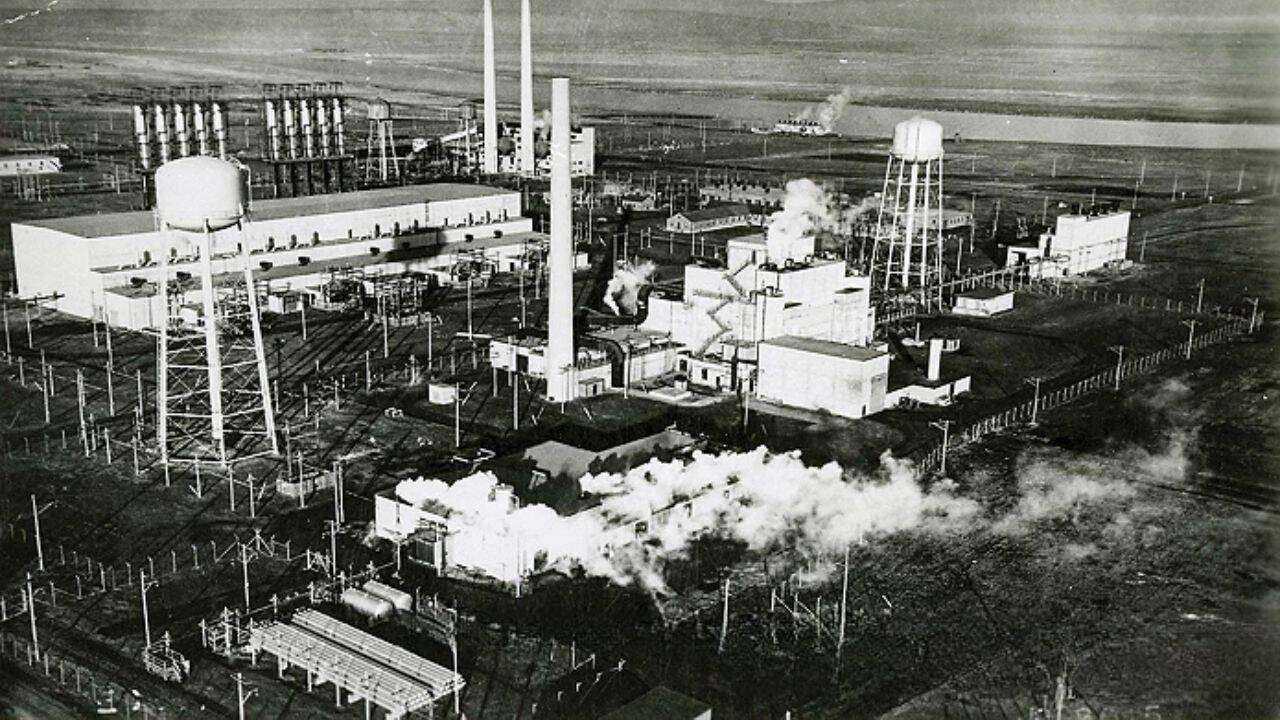
During the Cold War, the Hanford Site was vital to the U.S. nuclear program, generating plutonium but also creating a daunting legacy of hazardous radioactive waste—millions of gallons of it. Vitrification is at the heart of the solution, as it transforms this hazardous material into glass for safer long-term storage. The Vit Plant has started processing actual nuclear waste and aims for consistent glass production. During the Cold War, the Hanford Site was vital to the U.S. nuclear program, generating plutonium but also creating a daunting legacy of hazardous radioactive waste—millions of gallons of it. Vitrification is at the heart of the solution, as it transforms this hazardous material into glass for safer long-term storage. The Vit Plant has started processing actual nuclear waste and aims for consistent glass production.