




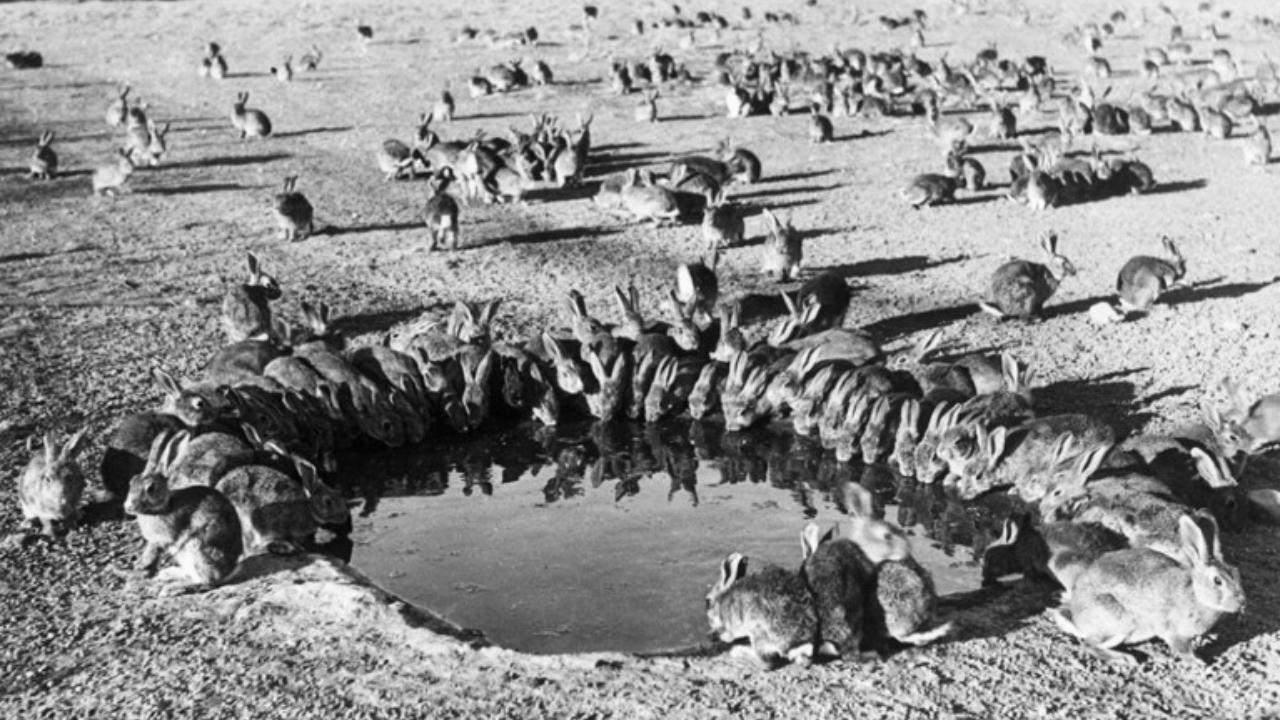
Phillip Island has undergone a remarkable environmental turnaround following an extensive pest eradication initiative. The island is witnessing a resurgence of native flora and is nurturing thriving colonies of migratory seabirds. Each year, it becomes a safe haven for thousands of seabirds to breed. Ongoing restoration efforts aim to safeguard native wildlife and reinforce vulnerable soil ecosystems, making it a crucial sanctuary for reptiles that have vanished from other regions. Phillip Island has undergone a remarkable environmental turnaround following an extensive pest eradication initiative. The island is witnessing a resurgence of native flora and is nurturing thriving colonies of migratory seabirds. Each year, it becomes a safe haven for thousands of seabirds to breed. Ongoing restoration efforts aim to safeguard native wildlife and reinforce vulnerable soil ecosystems, making it a crucial sanctuary for reptiles that have vanished from other regions.