
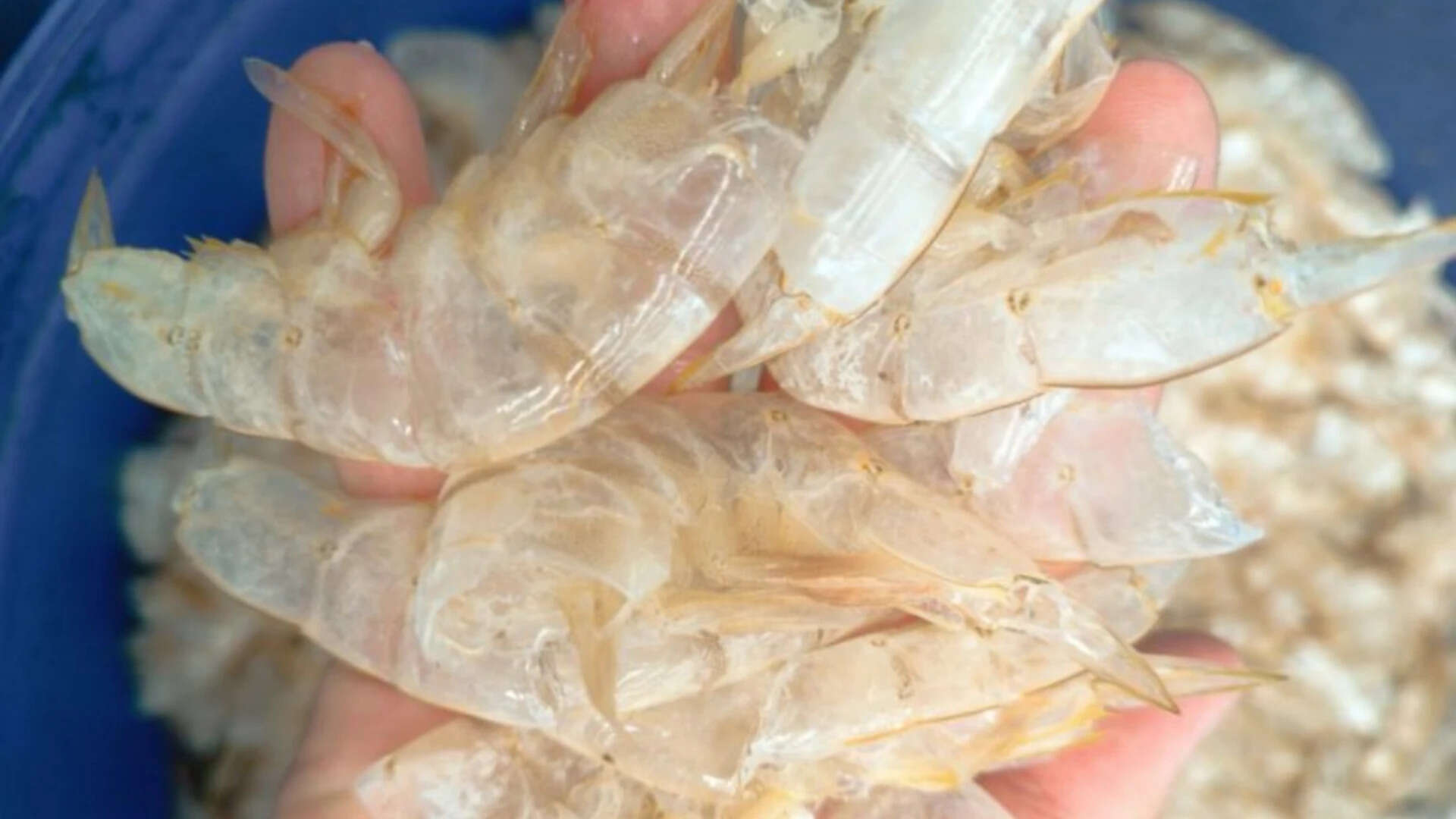
Researchers have pioneered a groundbreaking method that transforms organic waste into hydrogen fuel, while simultaneously generating protein suitable for aquaculture feed and calcium carbonate. This innovative technology aims to achieve a carbon-neutral process, capturing more carbon dioxide than it emits. Ongoing investigations are focused on potential commercial uses for this adaptable technology, though scaling up remains a notable hurdle to achieving widespread use. Researchers have pioneered a groundbreaking method that transforms organic waste into hydrogen fuel, while simultaneously generating protein suitable for aquaculture feed and calcium carbonate. This innovative technology aims to achieve a carbon-neutral process, capturing more carbon dioxide than it emits. Ongoing investigations are focused on potential commercial uses for this adaptable technology, though scaling up remains a notable hurdle to achieving widespread use.
Trending
- CSIR-NAL completes design of indigenous 19-seater Saras MkII light transport aircraft; minister calls it a ‘milestone’ in aviation sector
- UAV crashes during training sortie near Porbandar; no loss of life: Navy
- Computer scientist who created world’s first chatbot in the 1960s spent his whole life warning that AI should never replace humans, and the reason will shock you
- Forces shoot dead ‘category A’ LeT terrorist Zakir Ganie in J&K
- Omar backs suspension of Indus Water Treaty, says Centre will respond to Pak war-mongering
- GER hits 30%, but pace lags 2035 target
- Horoscope Today: Daily astrological predictions for July 9, 2026
- ‘Celebrities should respect law’: Shubhangi Atre on Shilpa Shinde’s ‘false’ harassment charge

Scientists turn shrimp shell waste into carbon-negative hydrogen fuel
 By
By

Add A Comment