






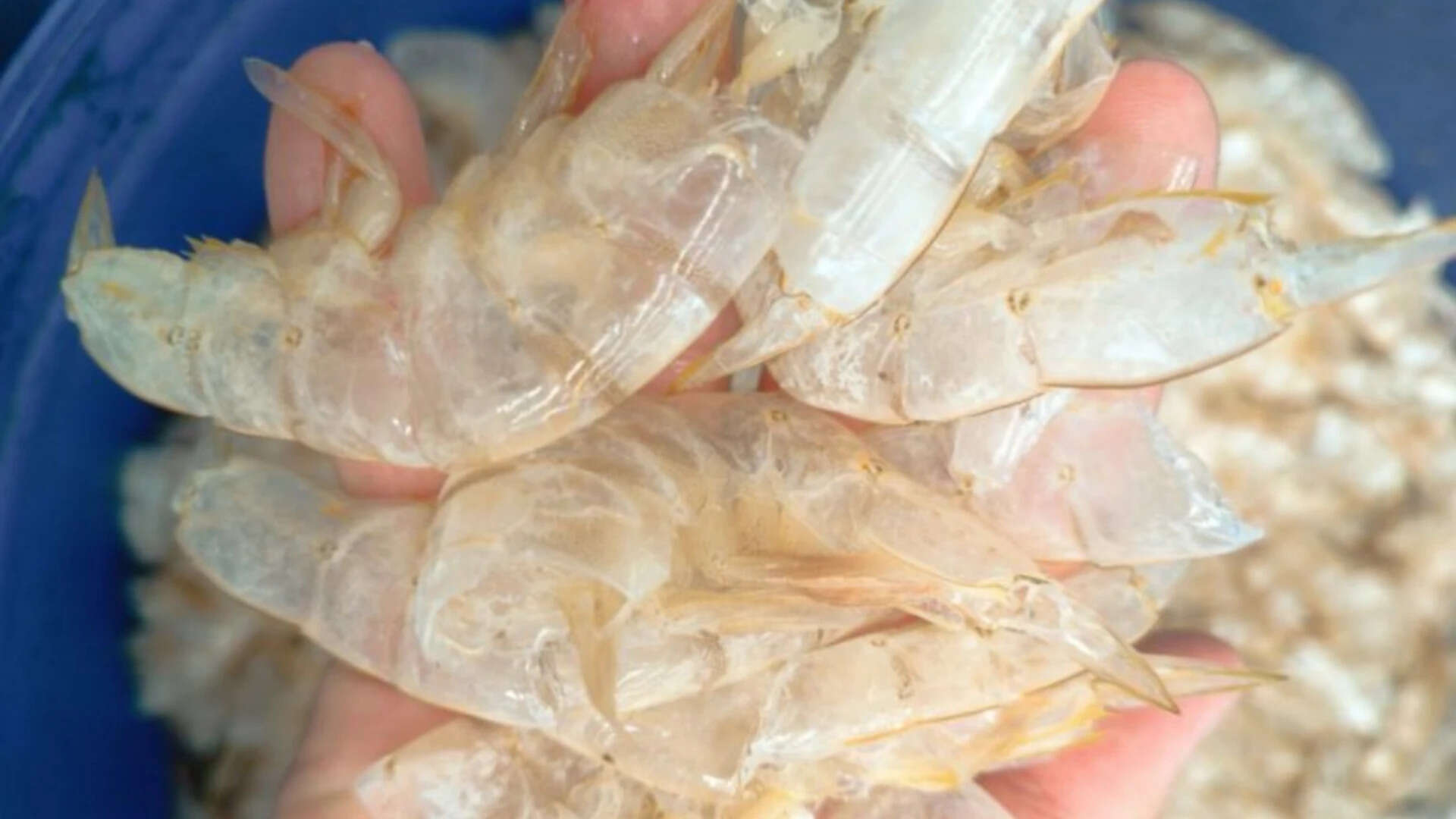
Researchers have pioneered a groundbreaking method that transforms organic waste into hydrogen fuel, while simultaneously generating protein suitable for aquaculture feed and calcium carbonate. This innovative technology aims to achieve a carbon-neutral process, capturing more carbon dioxide than it emits. Ongoing investigations are focused on potential commercial uses for this adaptable technology, though scaling up remains a notable hurdle to achieving widespread use. Researchers have pioneered a groundbreaking method that transforms organic waste into hydrogen fuel, while simultaneously generating protein suitable for aquaculture feed and calcium carbonate. This innovative technology aims to achieve a carbon-neutral process, capturing more carbon dioxide than it emits. Ongoing investigations are focused on potential commercial uses for this adaptable technology, though scaling up remains a notable hurdle to achieving widespread use.