
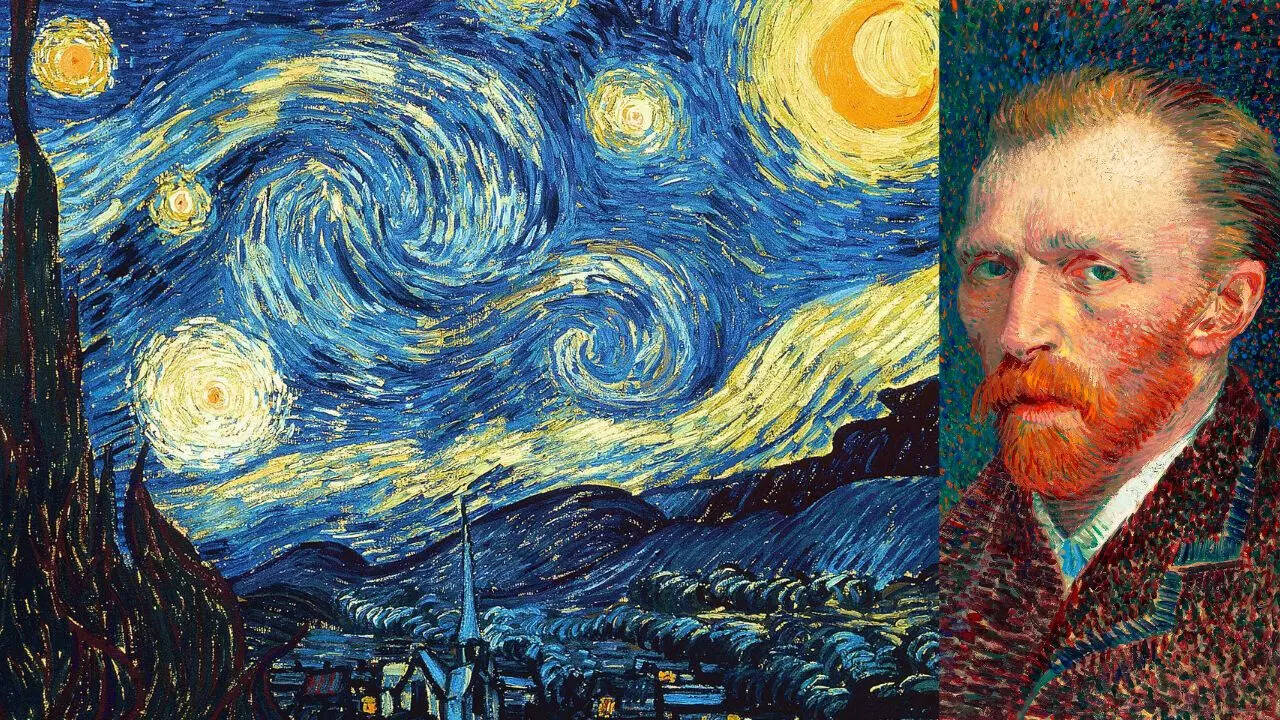
Vincent van Gogh’s iconic “The Starry Night” has revealed a scientific secret. Physicists analyzing the painting’s swirling patterns discovered they closely resemble the statistical models of turbulence, a complex natural phenomenon. This suggests Van Gogh, through his keen observation, captured the visual essence of fluid motion over a century before scientists could mathematically describe it, making his masterpiece a surprising echo of nature’s mysteries Vincent van Gogh’s iconic “The Starry Night” has revealed a scientific secret. Physicists analyzing the painting’s swirling patterns discovered they closely resemble the statistical models of turbulence, a complex natural phenomenon. This suggests Van Gogh, through his keen observation, captured the visual essence of fluid motion over a century before scientists could mathematically describe it, making his masterpiece a surprising echo of nature’s mysteries
Trending
- ‘May next 250 years bring peace’: PM Modi congratulates Trump on US Independence Day
- China’s pawn in the Middle East? : How Beijing ‘uses’ Pakistan to sell weapons
- Delhi Gymkhana Club challenges Centre’s eviction proceedings in HC, plea listed for July 6
- ‘I want this on Donald’s desk by August recess’: Melania Trump gives Congress private deadline to pass her bill
- Is E20 fuel safe for your vehicle? Here’s what experts say
- King Charles sends warm wishes to Trump on America’s 250th Independence Day
- ‘Academic jihad’: BJP seeks ban on J&K textbook ‘glorifying terrorists’; LG suspends 8
- Scientists have found a billion-year-old hidden magma system on Mars that supported life on the Red planet

Scientists find hidden detail in Van Gogh’s The Starry Night decades later
 By
By

Add A Comment