
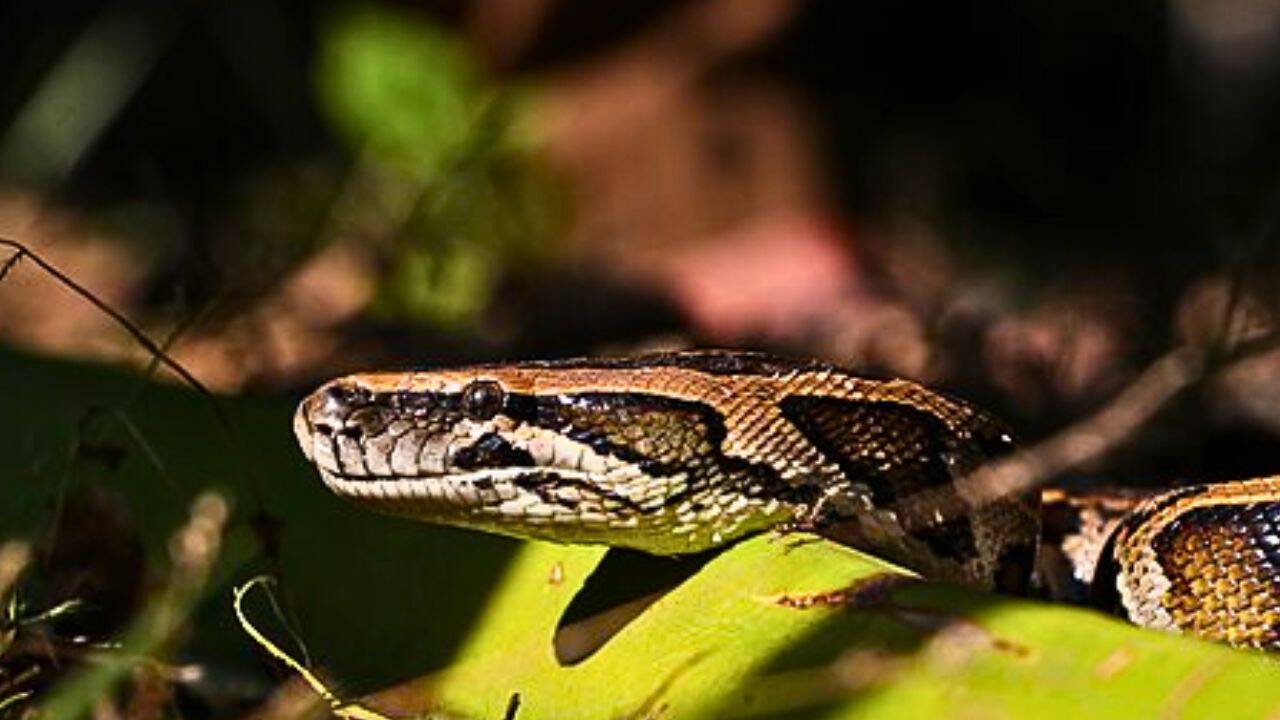
Scientists created novel eDNA markers to identify Burmese pythons from water samples across southern Florida. The study focused on various wetlands, waterways, and their connections to assess python distribution. Water samples were filtered and processed to concentrate pythons’ eDNA for accurate detection. Challenges included the low density of pythons and possible environmental inhibitors in the water. Efforts are ongoing to refine detection methods and improve the understanding of python populations. Scientists created novel eDNA markers to identify Burmese pythons from water samples across southern Florida. The study focused on various wetlands, waterways, and their connections to assess python distribution. Water samples were filtered and processed to concentrate pythons’ eDNA for accurate detection. Challenges included the low density of pythons and possible environmental inhibitors in the water. Efforts are ongoing to refine detection methods and improve the understanding of python populations.
Trending
- Asian Games Medal Tally: How archers, shooters powered India into top 10
- Two-headed terrapin found at Cape Cod nesting site; 5.2g hatchling now under vet care
- India’s consul general meets Shanghai mayor, extends wishes ahead of China’s National Day
- Nikki Haley’s son attacks Vivek Ramaswamy, says Hinduism and Christianity are not the same: Hindus don’t wanna be…
- ‘This nonsense has to stop’: SC pulls up UP Police over unnamed FIRs, suggests CBI probe in all cases
- Evening news wrap: Flydubai pilot stabbed mid-air, man behind Pahalgam attack killed & more
- Archers, shooters fire India’s medal rush on a golden day at Asian Games
- Harvard museum showcases dodo, extinct toad and 300-million-year-old fern

Scientists develop eDNA markers to detect Burmese pythons in southern Florida waters
 By
By

Add A Comment