
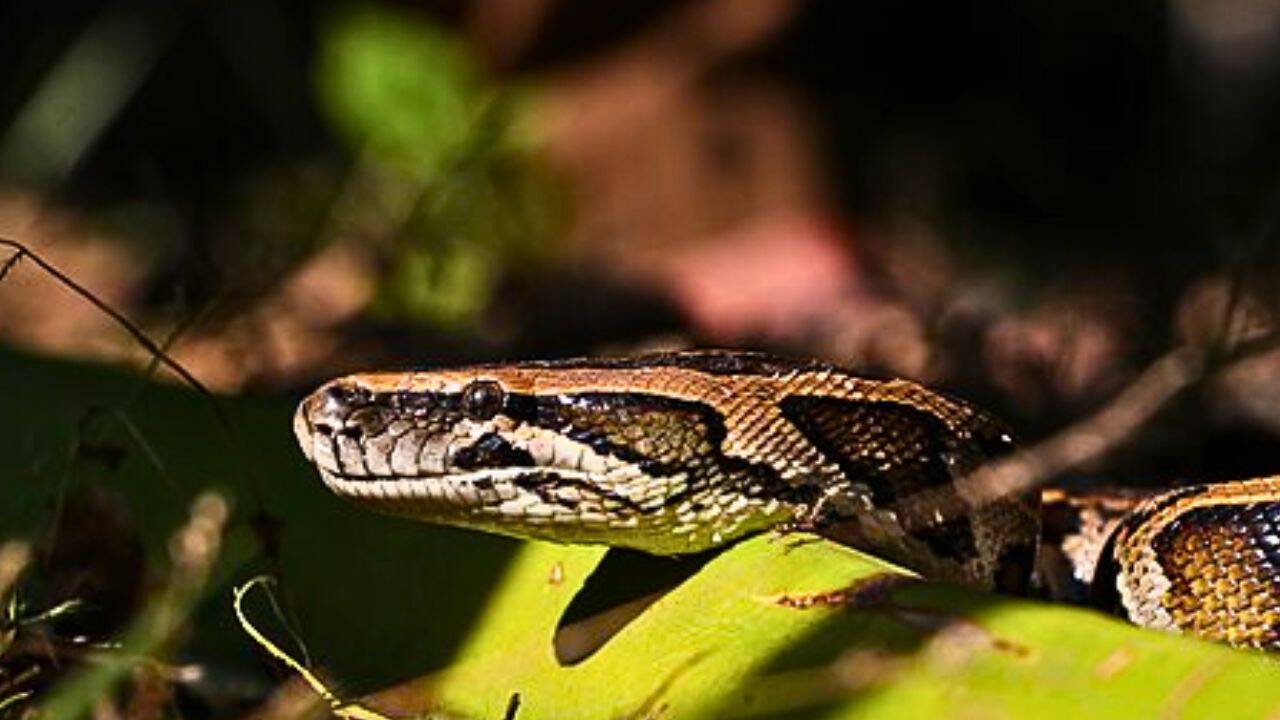
Scientists created novel eDNA markers to identify Burmese pythons from water samples across southern Florida. The study focused on various wetlands, waterways, and their connections to assess python distribution. Water samples were filtered and processed to concentrate pythons’ eDNA for accurate detection. Challenges included the low density of pythons and possible environmental inhibitors in the water. Efforts are ongoing to refine detection methods and improve the understanding of python populations. Scientists created novel eDNA markers to identify Burmese pythons from water samples across southern Florida. The study focused on various wetlands, waterways, and their connections to assess python distribution. Water samples were filtered and processed to concentrate pythons’ eDNA for accurate detection. Challenges included the low density of pythons and possible environmental inhibitors in the water. Efforts are ongoing to refine detection methods and improve the understanding of python populations.
Trending
- Flydubai flight drama: ‘Indian-origin’ pilot stopped Omani co-pilot from crashing plane
- Blue drum case: Meerut court convicts wife, lover for husband’s murder
- ‘Many are in contact’: Akhilesh claims BJP alliance MLAs in touch with SP ahead of Rajya Sabha polls
- October 2026 visa bulletin ‘most disappointing’: EB-2 is back for India but stuck in 2013; overall no good news
- ‘Super Intelligence’ AI safety accord signed by tech CEOs carries ‘Unites States’ typo under Trump’s name
- India break Korean wall to reach hockey final, set up gold-medal clash with China
- Bombs without brakes? Why US-China AI race may be harder to control than nuclear one
- ‘Terrorist pilot planned to crash plane’: Israel security minister on flydubai cockpit incident

Scientists develop eDNA markers to detect Burmese pythons in southern Florida waters
 By
By

Add A Comment