
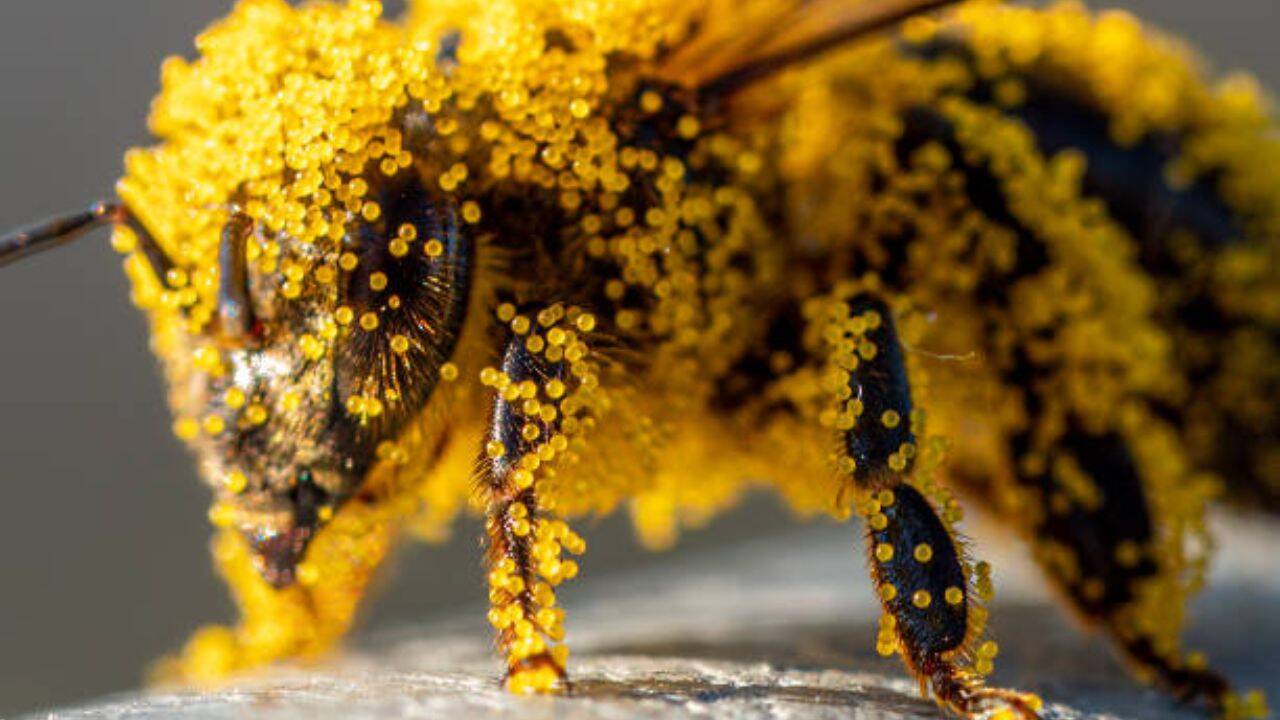
Tiny pollen grains offer vital clues for investigators solving complex criminal cases. Forensic palynologists analyze these microscopic particles to link suspects to crime scenes. A notable murder case in New Zealand was solved using unusual mutated pollen evidence. Pollen’s resistance to decomposition makes it a persistent and valuable forensic tool. This silent evidence helps identify and locate regions, aiding in criminal investigations. Tiny pollen grains offer vital clues for investigators solving complex criminal cases. Forensic palynologists analyze these microscopic particles to link suspects to crime scenes. A notable murder case in New Zealand was solved using unusual mutated pollen evidence. Pollen’s resistance to decomposition makes it a persistent and valuable forensic tool. This silent evidence helps identify and locate regions, aiding in criminal investigations.
Trending
- A pothole-mukt Bharat: Here’s the answer
- Train smarter, fight better: How AI‑powered simulations are making better soldiers
- ‘In solidarity with Wangchuk’: CJP announces 1-day mass hunger strike at Jantar Mantar tomorrow
- Watch: US strikes hit watchtower at Iran’s Chabahar as Middle East conflict escalates
- ‘Hindus and Sikhs of Punjab are watching the movie together,’ says ‘Satluj’ director Honey Trehan
- Supriya Sule rules out NDA switch, says NCP (SP) yet to decide on Delimitation Bill
- Soni Razdan, Shabana Azmi and Swara Bhasker rally behind Sonam Wangchuk
- Forest City Fights Pollution:China is building a city where 40,000 trees will grow across buildings

Nature’s invisible evidence: How pollen helped crack a murder case
 By
By

Add A Comment