
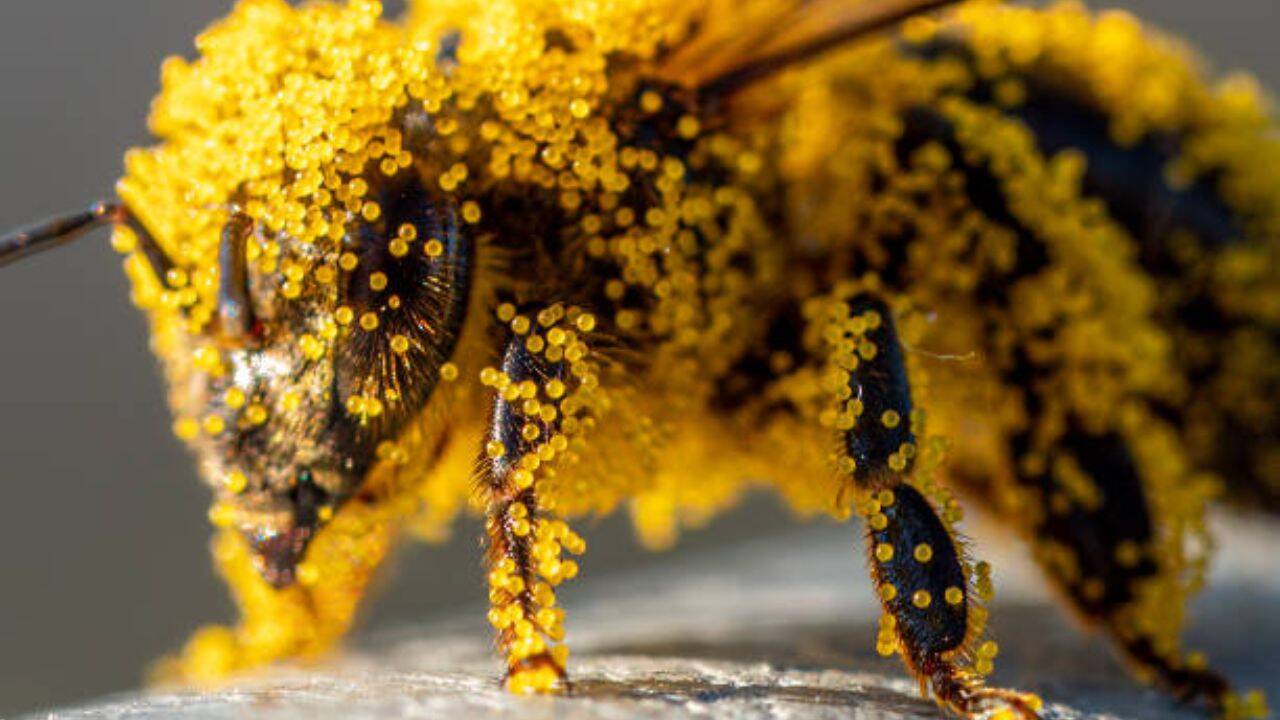
Tiny pollen grains offer vital clues for investigators solving complex criminal cases. Forensic palynologists analyze these microscopic particles to link suspects to crime scenes. A notable murder case in New Zealand was solved using unusual mutated pollen evidence. Pollen’s resistance to decomposition makes it a persistent and valuable forensic tool. This silent evidence helps identify and locate regions, aiding in criminal investigations. Tiny pollen grains offer vital clues for investigators solving complex criminal cases. Forensic palynologists analyze these microscopic particles to link suspects to crime scenes. A notable murder case in New Zealand was solved using unusual mutated pollen evidence. Pollen’s resistance to decomposition makes it a persistent and valuable forensic tool. This silent evidence helps identify and locate regions, aiding in criminal investigations.
Trending
- Why Taslima Nasreen’s Kolkata return is a powder keg for Bengal politics
- China’s economic growth slows to weakest pace in three years despite export boom
- Nature’s invisible evidence: How pollen helped crack a murder case
- Nashik highway horror: New video shows attacker hanging onto moving car as family tries to escape
- Sam Neill’s family opts for private New Zealand funeral
- In Tokyo’s hidden 1,100-year-old shrine, thousands of desperate fans are praying for impossible concert tickets
- Is bone china made from real bones? The answer may surprise you
- Sensex jumps over 500 points, Nifty above 24,200: Top reasons driving stock market rally

Nature’s invisible evidence: How pollen helped crack a murder case
 By
By

Add A Comment