
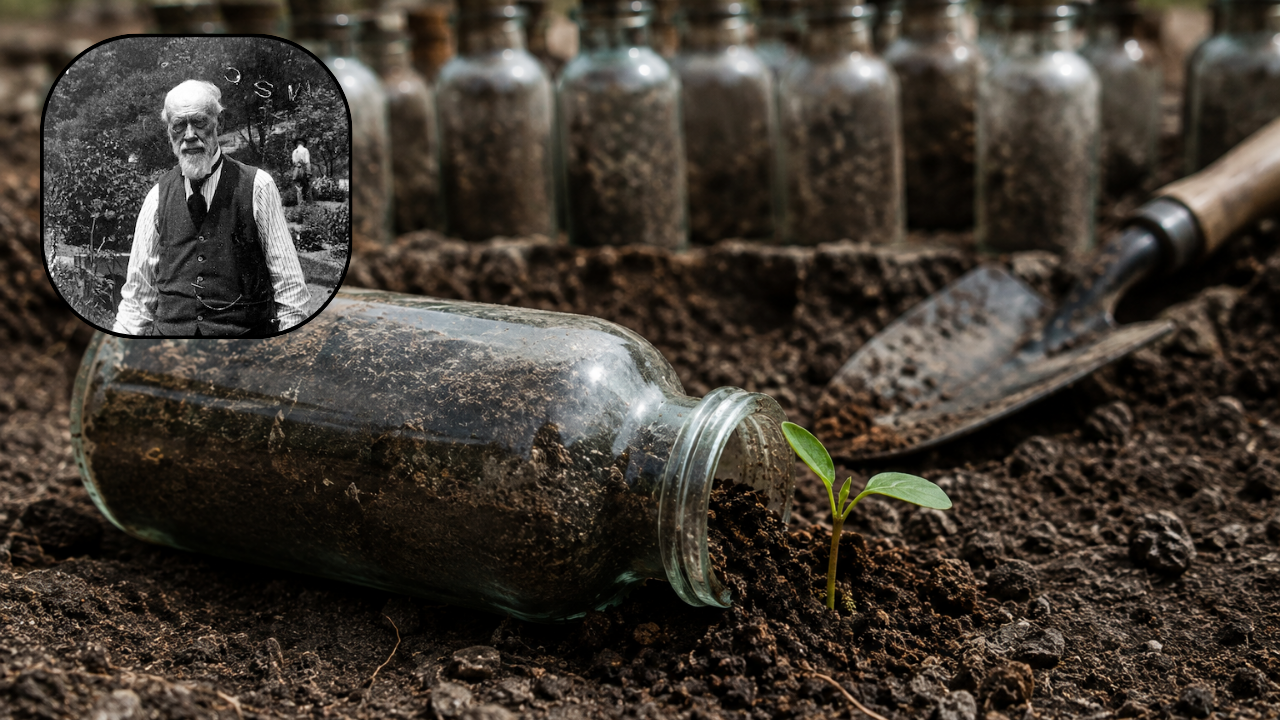
In a remarkable exploration of seed dormancy, William James Beal’s 1879 experiment revealed astonishing results when researchers discovered viable seeds in 2021, 142 years later. This included a surprising hybrid moth mullein detected through DNA analysis, enriching the study’s findings. Insights gained will enhance land restoration efforts and help control invasive species for a sustainable future, demonstrating the enduring legacy of scientific inquiry. In a remarkable exploration of seed dormancy, William James Beal’s 1879 experiment revealed astonishing results when researchers discovered viable seeds in 2021, 142 years later. This included a surprising hybrid moth mullein detected through DNA analysis, enriching the study’s findings. Insights gained will enhance land restoration efforts and help control invasive species for a sustainable future, demonstrating the enduring legacy of scientific inquiry.
Trending
- 14,800 plastic bottles built one model house; project later grew to 15 homes
- Gateway Arch goes dark through September to protect migrating birds
- Elon Musk is fighting Chess.com again, the site that says he can’t play chess
- Quote of the day by Mark Wahlberg
- Winchester Mystery House: Inside the California mansion ‘built to confuse spirits’
- IIM Bangalore opens Rs 5 lakh national competition for college students
- Father spends $800,000 on land for tiny-home community for disabled adults
- Michigan seed experiment began in 1879 and is set to run until 2100

Michigan seed experiment began in 1879 and is set to run until 2100
 By
By

Add A Comment