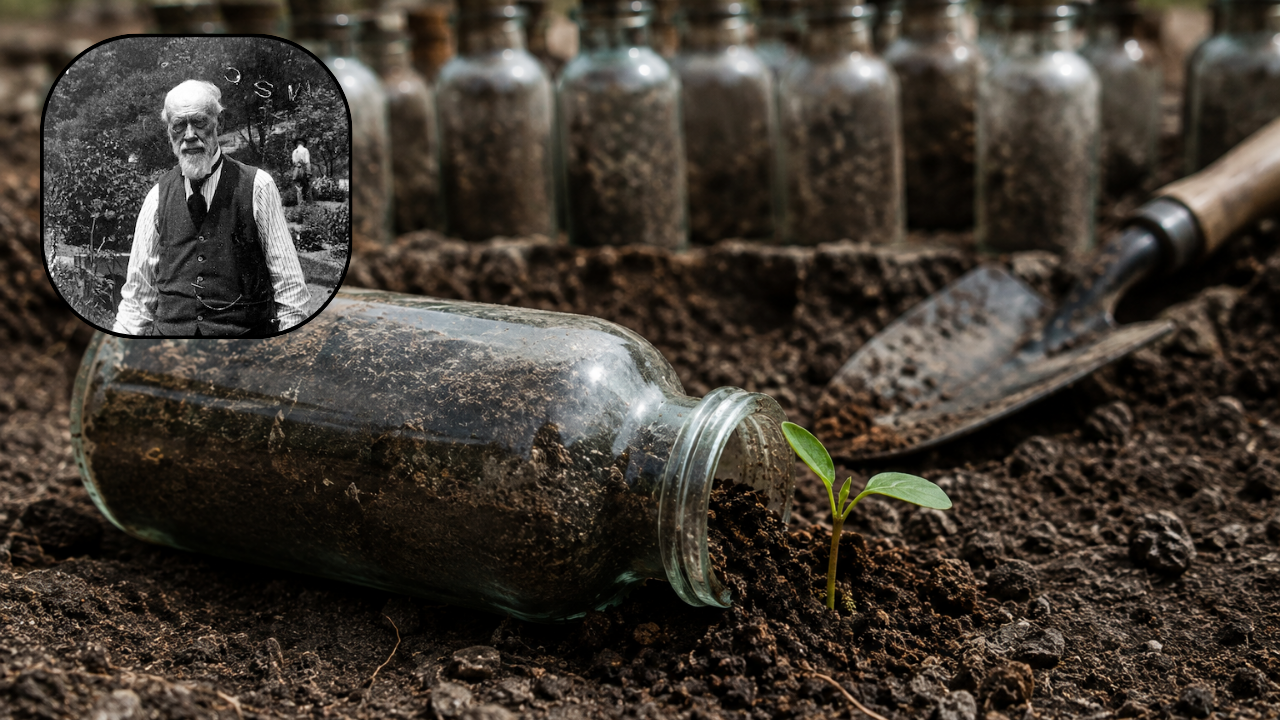





In a remarkable exploration of seed dormancy, William James Beal’s 1879 experiment revealed astonishing results when researchers discovered viable seeds in 2021, 142 years later. This included a surprising hybrid moth mullein detected through DNA analysis, enriching the study’s findings. Insights gained will enhance land restoration efforts and help control invasive species for a sustainable future, demonstrating the enduring legacy of scientific inquiry. In a remarkable exploration of seed dormancy, William James Beal’s 1879 experiment revealed astonishing results when researchers discovered viable seeds in 2021, 142 years later. This included a surprising hybrid moth mullein detected through DNA analysis, enriching the study’s findings. Insights gained will enhance land restoration efforts and help control invasive species for a sustainable future, demonstrating the enduring legacy of scientific inquiry.