
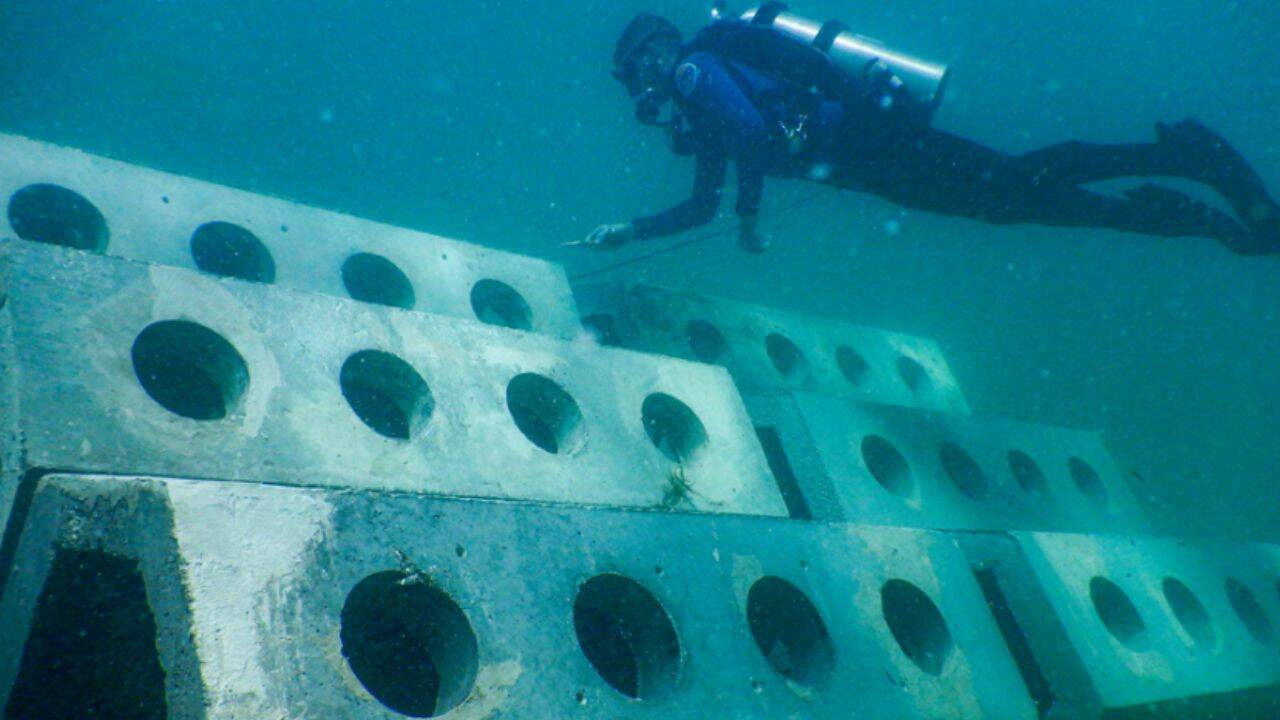
A 2002 study examined 12 artificial reefs built off Miami Beach using limestone boulders, concrete-gravel aggregate and concrete mixed with waste tyre chips. Divers surveyed the reefs every two months from October 1998 to February 2001, recording fish species, numbers and sizes, along with spiny lobsters. They counted 97,826 fish from 146 species. The researchers found no significant difference in fish abundance, biomass or species richness between the three reef materials. However, comparisons before and after deployment showed that the artificial reefs increased local fish abundance and species richness. A 2002 study examined 12 artificial reefs built off Miami Beach using limestone boulders, concrete-gravel aggregate and concrete mixed with waste tyre chips. Divers surveyed the reefs every two months from October 1998 to February 2001, recording fish species, numbers and sizes, along with spiny lobsters. They counted 97,826 fish from 146 species. The researchers found no significant difference in fish abundance, biomass or species richness between the three reef materials. However, comparisons before and after deployment showed that the artificial reefs increased local fish abundance and species richness.
Trending
- In overnight change, US releases new form for Green Card sponsor
- Meet Connor Gibson, Tennessee engineer using 3D printing to make free dentures for Americans not able to afford them
- US couple kept 4 kids captive in truck for over 6 years, sexually abused them: Authorities
- AAP helps seven-year-old Ballia girl who hops to school
- Kalyan Silks’ Rs 1,500 Onam ad misleading; consumer court orders Rs 31,500 payout
- On this day in 1666: The Great Fire of London sparked a housing crisis, leaving 100,000 homeless
- ‘Savarkar never hated Muslims’: Grandnephew targets Rahul Gandhi in Pune court
- Historic California racetrack could become waterfront park in $175m plan

Miami Beach reefs built in 1998 later attracted 97,826 fish from 146 species
 By
By

Add A Comment