


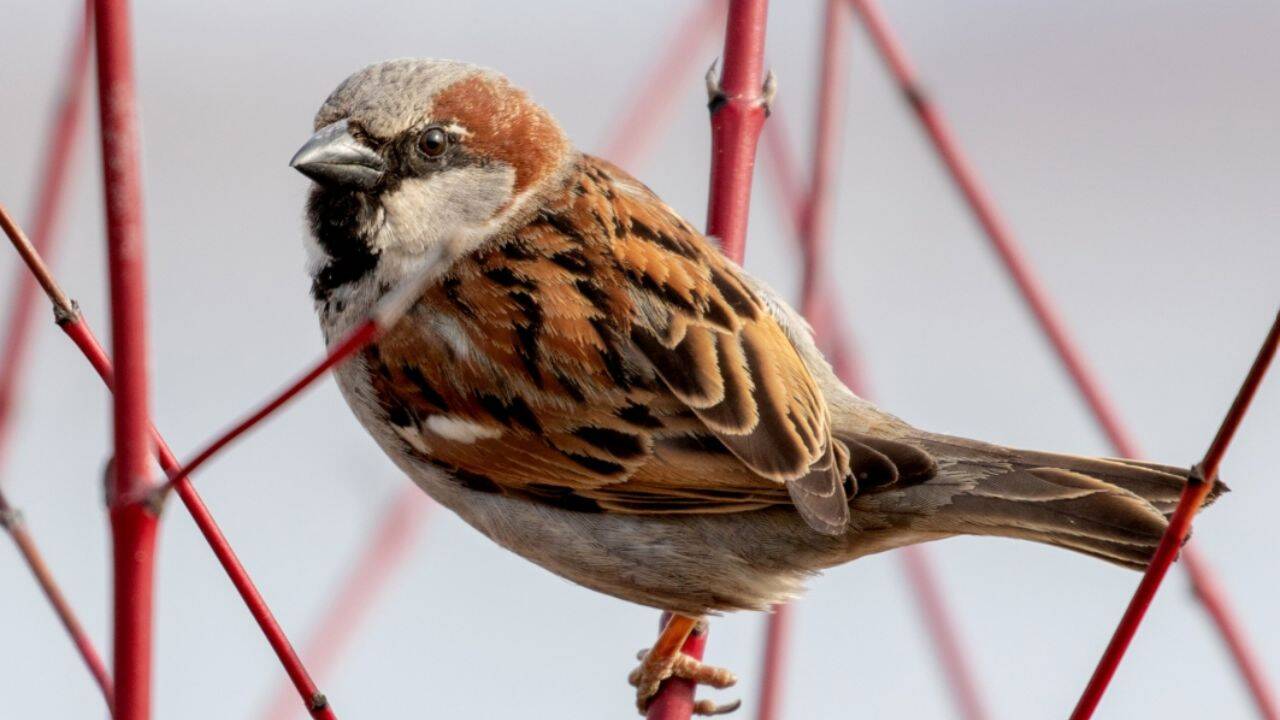
New Zealand introduced house sparrows in 1867 hoping they would help farmers control crop-eating insects. The birds multiplied quickly and soon became a problem, feeding on grains and fruit and damaging wheat, barley and maize crops. Their rapid rise led to organised efforts to control them, including poisoned grain, shooting and bounties for eggs and heads. The story was part of a wider push to introduce European birds for farming and sentimental reasons.

Trending
- Apple buried about 2,700 Lisa computers in 1989 in a landfill; here’s why
- California woman donates $1 million to teachers after learning they were underpaid
- Bangladesh does not want Teesta dispute to hurt ties with India, says minister
- Ex-Cambridge scholar Nathan Cofnas says he could be murdered after Arday vigil in London
- Jeanne Socrates was injured at 75; two years later she sailed solo around world
- ‘Awarapan 2’ eyes Rs 100cr in India by Day 5 amid ‘Batwara 1947’, ‘Spider-Man’ buzz
- ‘Got trapped in crowd’: Bihar govt defends constable who fired AK-47 during protests
- In 1867, Canterbury released 40 house sparrows to eat pests; 15 years later, they were poisoned