
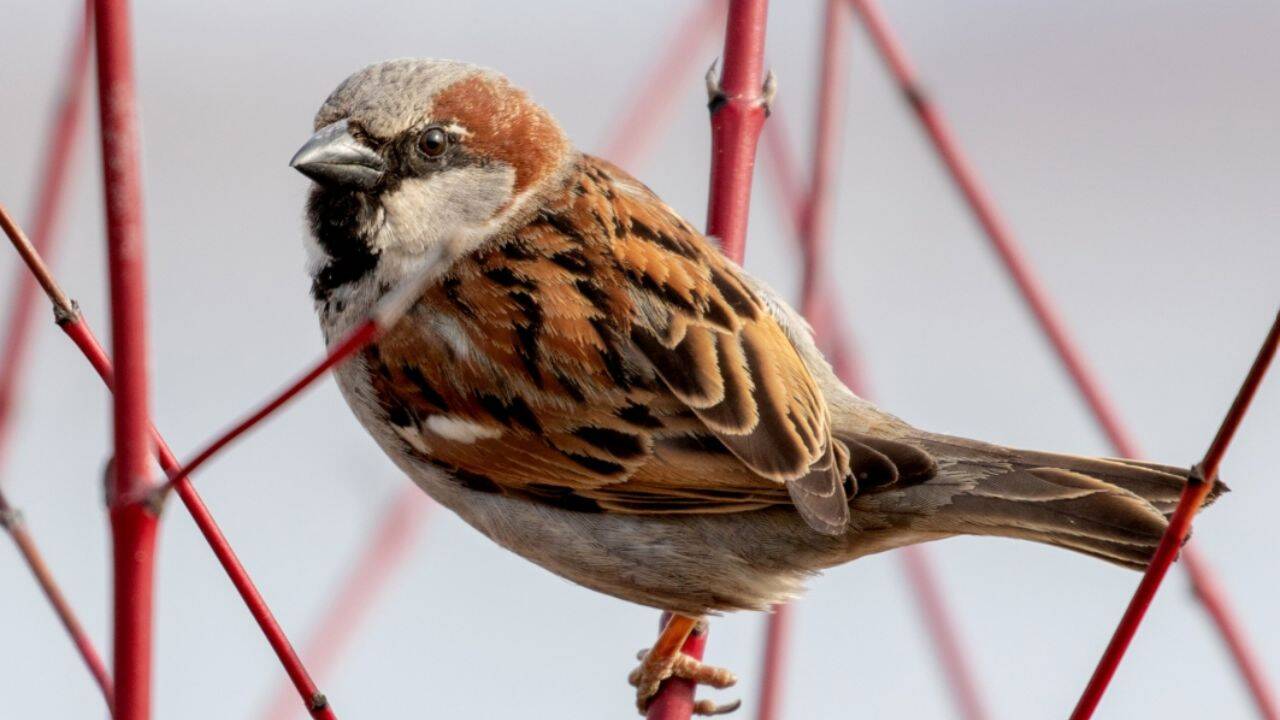
New Zealand introduced house sparrows in 1867 hoping they would help farmers control crop-eating insects. The birds multiplied quickly and soon became a problem, feeding on grains and fruit and damaging wheat, barley and maize crops. Their rapid rise led to organised efforts to control them, including poisoned grain, shooting and bounties for eggs and heads. The story was part of a wider push to introduce European birds for farming and sentimental reasons.
Trending
- In 1867, Canterbury released 40 house sparrows to eat pests; 15 years later, they were poisoned
- ‘Move Imran Khan to hospital’: Pakistan SC directs government amid health concerns
- ‘Tell us our crime’: JSSC-CGL exam cancellation ends one protest, sparks another as 2,000 fear job loss
- Post left Mar-a-Lago to govt hoping it would become ‘Winter White House’, Trump made her wish true
- ‘High-powered committee to probe alleged Delhi Police excesses’: SC on Jantar Mantar protests
- ‘President Trump trusts India’: Sergio Gor hails strategic ties, AI, defence cooperation
- James Dacombe: Gen Z founder who left school at 17 and became Europe’s youngest billionaire
- Rishabh Pant creates history, becomes first Indian to achieve this feat

In 1867, Canterbury released 40 house sparrows to eat pests; 15 years later, they were poisoned
 By
By

Add A Comment