
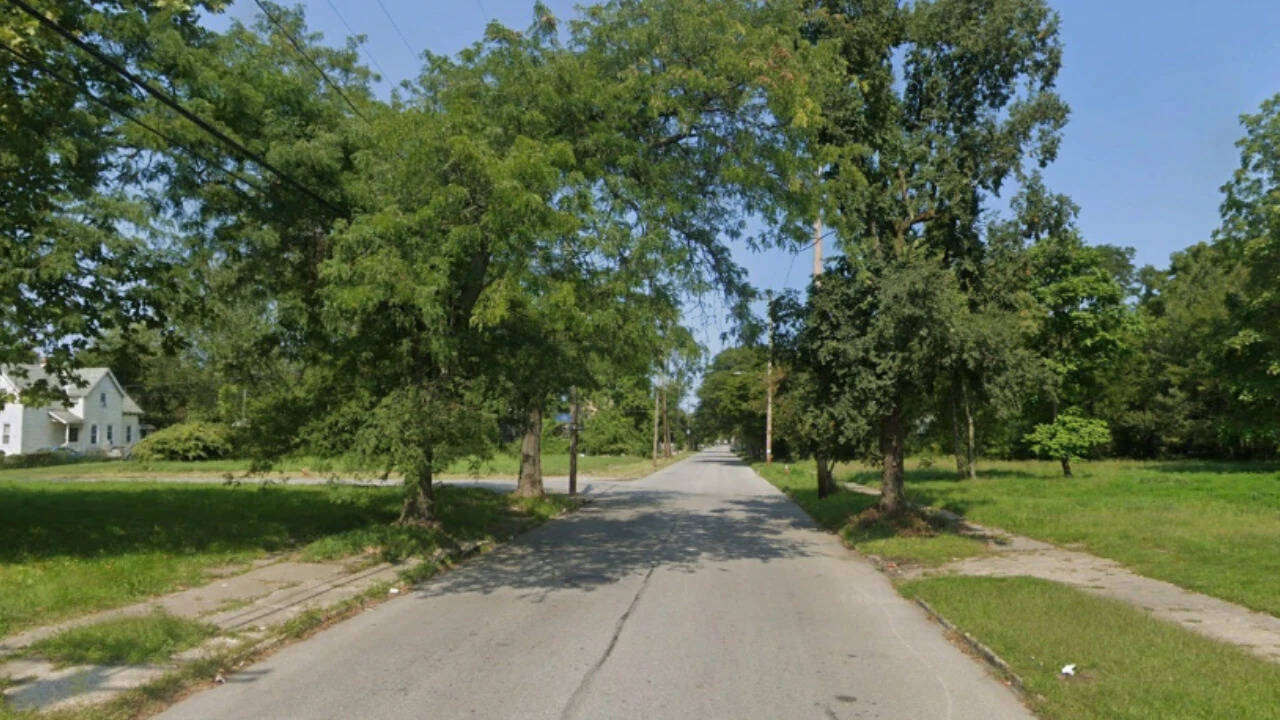
Cleveland’s near-East Side lost most of its population, falling from nearly 100,000 residents in the 1960s to fewer than 20,000 today. The city now plans 200 new homes through its Housing Innovation District, backed by $2 million in state funding. A tax increment financing plan could generate up to $182 million over 30 years for streets, sewers, parks and other improvements. Cleveland’s near-East Side lost most of its population, falling from nearly 100,000 residents in the 1960s to fewer than 20,000 today. The city now plans 200 new homes through its Housing Innovation District, backed by $2 million in state funding. A tax increment financing plan could generate up to $182 million over 30 years for streets, sewers, parks and other improvements.
Trending
- Ram temple trust rejects claim ex-Air Marshal Mishra skipped CEO interview round
- Indian-origin UK nurse wins $250,000 Global Nursing Award for boosting organ donation among South Asians
- Emmys 2026 winners: ‘Widow’s Bay’ to ‘The Pitt’; shows and stars who took the trophy
- Oil price today: Brent crude rises as Saudi pipeline outage raise supply concerns
- ‘Serious lapse’: Air India CEO summoned after 3 foreigners ‘skip’ immigration check
- Mystery missile in Yemen: Did Saudi Arabia use China-made DF-15A?
- Trump faces fresh setback as judge blocks stricter foreign student visa rule
- NMC seeks report on allegations medical college made ₹3.75 lakh hostel payment mandatory for MBBS internship

Cleveland district lost 80,000 residents; new plan aims to build 200 homes
 By
By

Add A Comment