
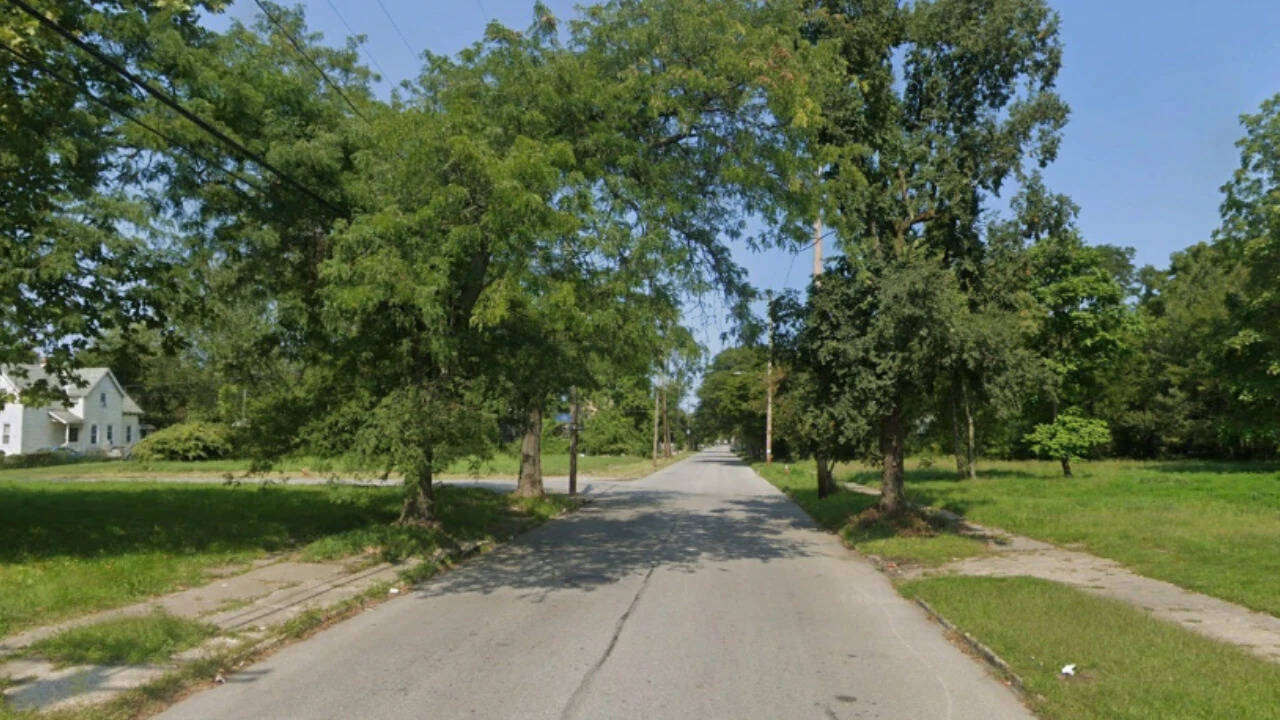
Cleveland’s near-East Side lost most of its population, falling from nearly 100,000 residents in the 1960s to fewer than 20,000 today. The city now plans 200 new homes through its Housing Innovation District, backed by $2 million in state funding. A tax increment financing plan could generate up to $182 million over 30 years for streets, sewers, parks and other improvements. Cleveland’s near-East Side lost most of its population, falling from nearly 100,000 residents in the 1960s to fewer than 20,000 today. The city now plans 200 new homes through its Housing Innovation District, backed by $2 million in state funding. A tax increment financing plan could generate up to $182 million over 30 years for streets, sewers, parks and other improvements.
Trending
- Trump’s mail ballot push hits Supreme Court roadblock ahead of crucial midterms
- From Bahrain to Riyadh: How Iran strikes battered US bases, embassies
- All of Ukraine is a target: Russia on strike near Poland
- Michael Dell: Customers go through ‘five stages of grief’ after price hikes
- Saudi military airbase hit as Houthis launch fresh attacks
- AI ‘fearmongering’ will be good for no one: China
- Trump slams AI guardrails, calls it a ‘sick conspiracy’
- J&K: Police bust LeT-linked OGW network, arrest 3 for aiding terrorists

Cleveland district lost 80,000 residents; new plan aims to build 200 homes
 By
By

Add A Comment