
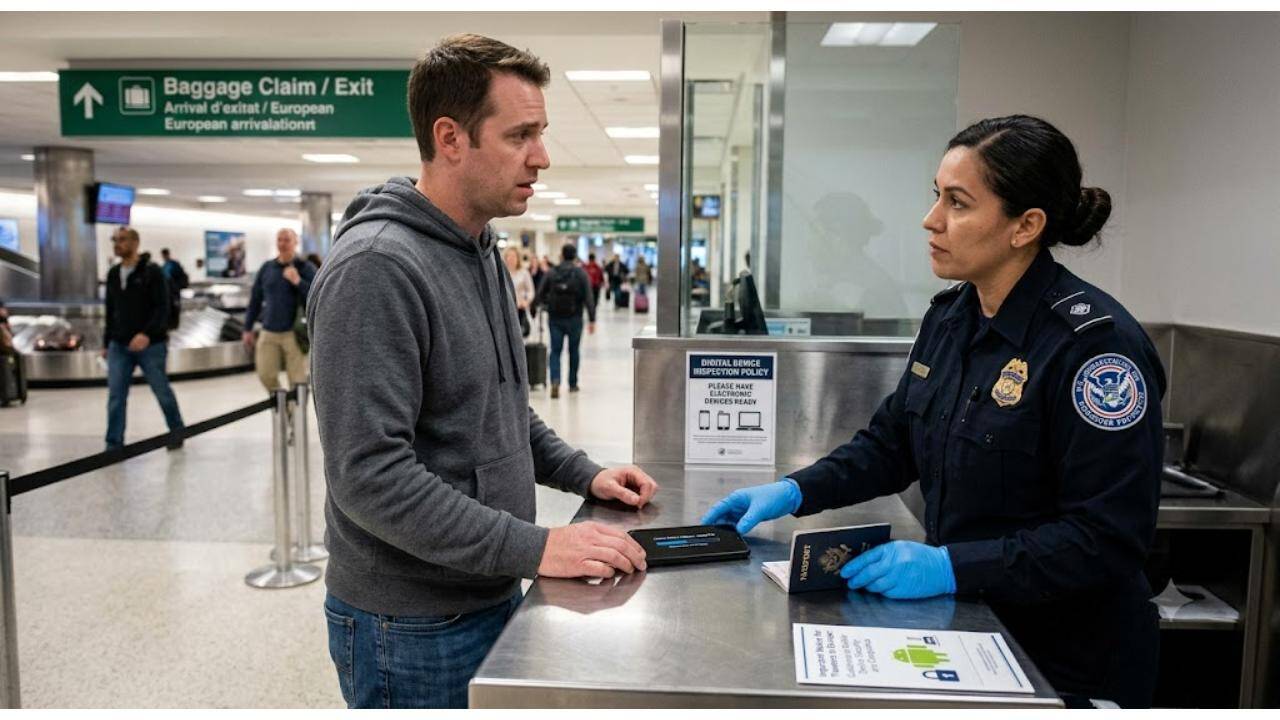
A federal case in Atlanta questions privacy software use as criminal intent evidence. Prosecutors accuse Samuel Tunick of wiping his phone to prevent authorities from accessing its contents. GrapheneOS, a privacy-focused operating system, is central to the ongoing legal proceedings. Authorities in Europe also reportedly view GrapheneOS usage with suspicion. GrapheneOS developers state their software is legal and protects against unauthorized data extraction. A federal case in Atlanta questions privacy software use as criminal intent evidence. Prosecutors accuse Samuel Tunick of wiping his phone to prevent authorities from accessing its contents. GrapheneOS, a privacy-focused operating system, is central to the ongoing legal proceedings. Authorities in Europe also reportedly view GrapheneOS usage with suspicion. GrapheneOS developers state their software is legal and protects against unauthorized data extraction.
Trending
- How Oracle’s 14-year-old legal loss is forcing Microsoft to UK Supreme Court
- As father fights blood cancer, Rishikanta bags CWG silver
- ‘No role in E20 fuel’: What Gadkari claimed in suit against X, Meta before Bombay HC
- ‘Generation gutter’: Kangana on ‘young Hindu women’ who took part in CJP protest
- ‘Allah commanded me’: Knife-wielding man attacks 3 women on Paris street – video
- Ordered wedding dress on Instagram, never got it: Boutique told to pay Rs 36,880
- India squad for Sri Lanka Tests: Jadeja returns; Bumrah picked with a rider
- Several pilgrims injured as Amarnath Yatra bus skids off road in J&K’s Ganderbal

American man arrested for wiping his phone during airport search; here’s why
 By
By

Add A Comment