
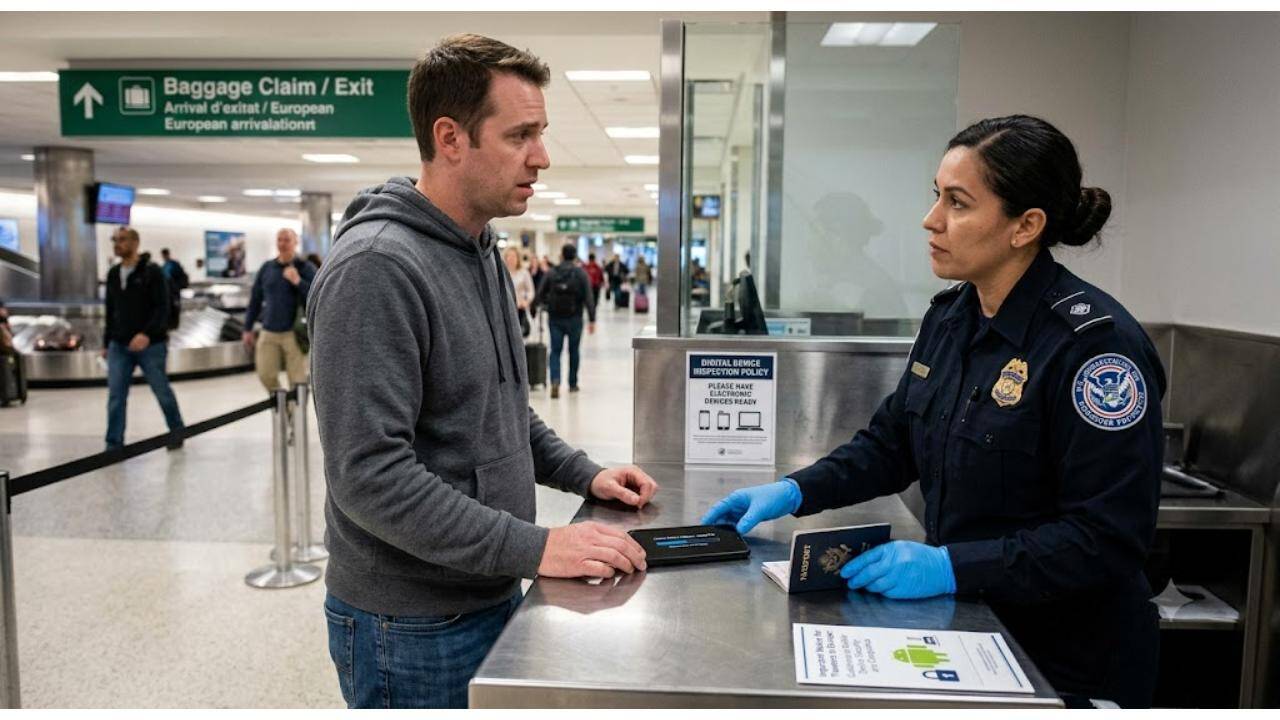
A federal case in Atlanta questions privacy software use as criminal intent evidence. Prosecutors accuse Samuel Tunick of wiping his phone to prevent authorities from accessing its contents. GrapheneOS, a privacy-focused operating system, is central to the ongoing legal proceedings. Authorities in Europe also reportedly view GrapheneOS usage with suspicion. GrapheneOS developers state their software is legal and protects against unauthorized data extraction. A federal case in Atlanta questions privacy software use as criminal intent evidence. Prosecutors accuse Samuel Tunick of wiping his phone to prevent authorities from accessing its contents. GrapheneOS, a privacy-focused operating system, is central to the ongoing legal proceedings. Authorities in Europe also reportedly view GrapheneOS usage with suspicion. GrapheneOS developers state their software is legal and protects against unauthorized data extraction.
Trending
- MBBS admissions: NMC puts focus on ability, not disability
- NMC asks medical colleges to set up support units for students with disabilities
- ‘Can’t bribe them’: Trump’s ‘will beat them’ warning to Iran despite talks
- FAA flags incorrectly installed seats on several Boeing 737 Max jets
- France, Spain on edge as wildfires force 320,000 evacuations
- American man arrested for wiping his phone during airport search; here’s why
- French wildfire created a monster cloud, unleashing lightning that ignited more fires
- CWG 2026 medal table: Where does India stand after six medals on Day 5?

American man arrested for wiping his phone during airport search; here’s why
 By
By

Add A Comment