
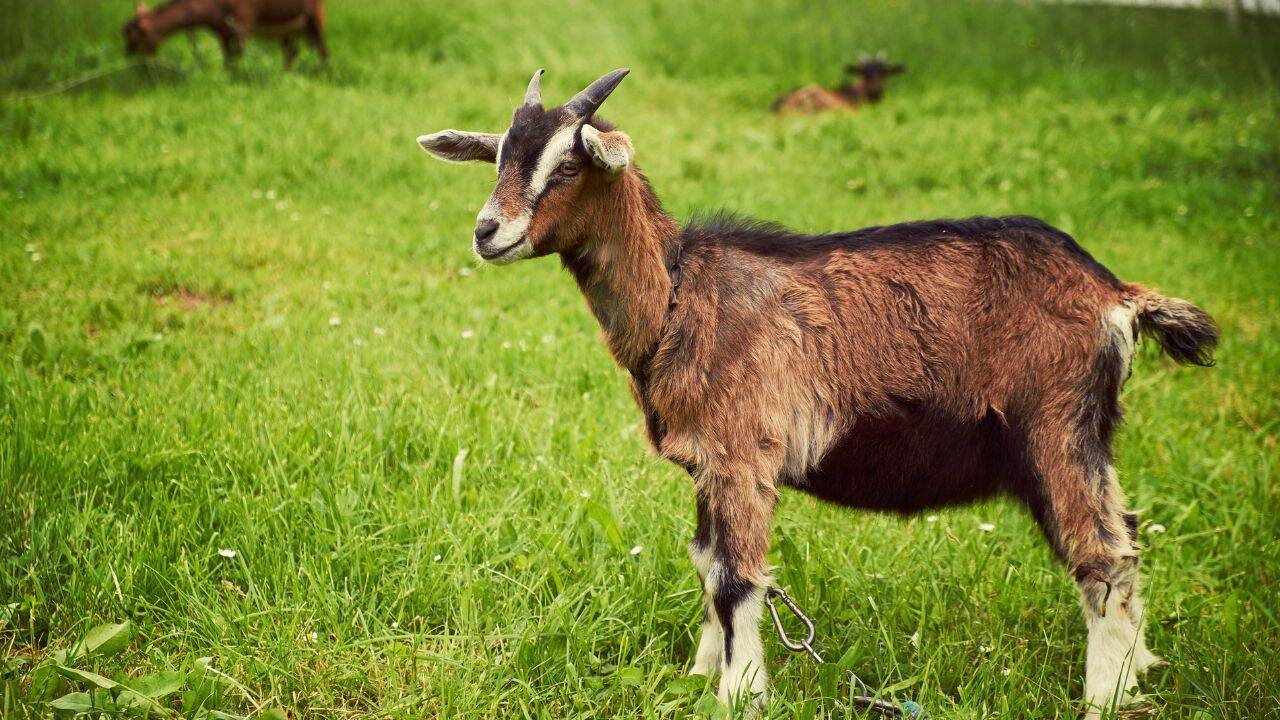
Researchers studied a 7,000-year-old goat leather fragment from Cueva de los Murciélagos in southern Spain. The specimen offers valuable genetic information about ancient goats and their domestication. Analysis revealed the goat’s DNA connected to modern breeds, indicating genetic continuity over millennia. Evidence suggests humans may have processed the leather, leaving traces of their DNA behind. This research improves understanding of livestock management in Early Neolithic communities.
Trending
- ‘Don’t assume you can swallow Kashmir with such attacks’: Farooq Abdullah targets Pak
- Virginia couple’s $500,000 highway loss claim rejected after $29,700 payout
- Community raises $50,000 for Canadian hockey player, 15, battling rare cancer
- Shannen Doherty’s estate gets half equity in $1.5M Texas home settlement
- Made-in-India 5G Radio Moves Closer To Market, Bulk Supplies Expected In 2027
- Govt mulls special session to pass women’s quota amendment bill: Report
- People free to protest against Congress: Priyanka Gandhi on police action against Kerala protesters
- ‘Sad day for democracy’: Bombay HC warns against criminalising constitutional right to protest

7,000-year-old scrap of goat leather from a Spanish burial cave contains DNA
 By

Add A Comment