


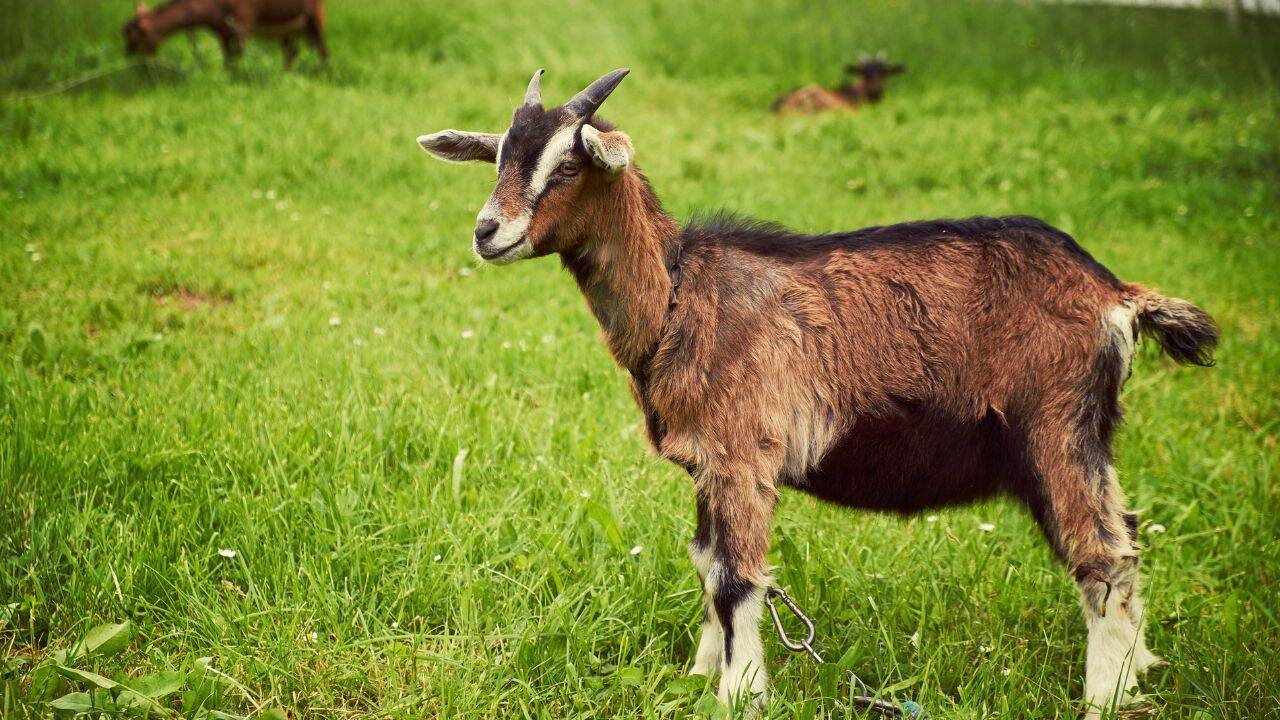
Researchers studied a 7,000-year-old goat leather fragment from Cueva de los Murciélagos in southern Spain. The specimen offers valuable genetic information about ancient goats and their domestication. Analysis revealed the goat’s DNA connected to modern breeds, indicating genetic continuity over millennia. Evidence suggests humans may have processed the leather, leaving traces of their DNA behind. This research improves understanding of livestock management in Early Neolithic communities.

Trending
- ‘SOS’ call from Ladakh leaders & Wangchuk, to President, PM and HM for poll deferment
- Geelani’s granddaughter Ruwa Shah likely to join PDP
- Mother and daughter split $262,519 home sale after Pennsylvania court feud
- 3 CRPF men wounded as terrorists strike patrol in south Kashmir
- Rare albatross pair raise five chicks after 10 seasons together near Hawaii
- UP polls: Owaisi, Azad likely to announce alliance on Nov 12
- SS United States, 1952 speed-record liner, set to become giant Florida reef
- Amanda Seyfried says her nine-year-old daughter watched ‘Mean Girls’ for the first time last year and loved it