
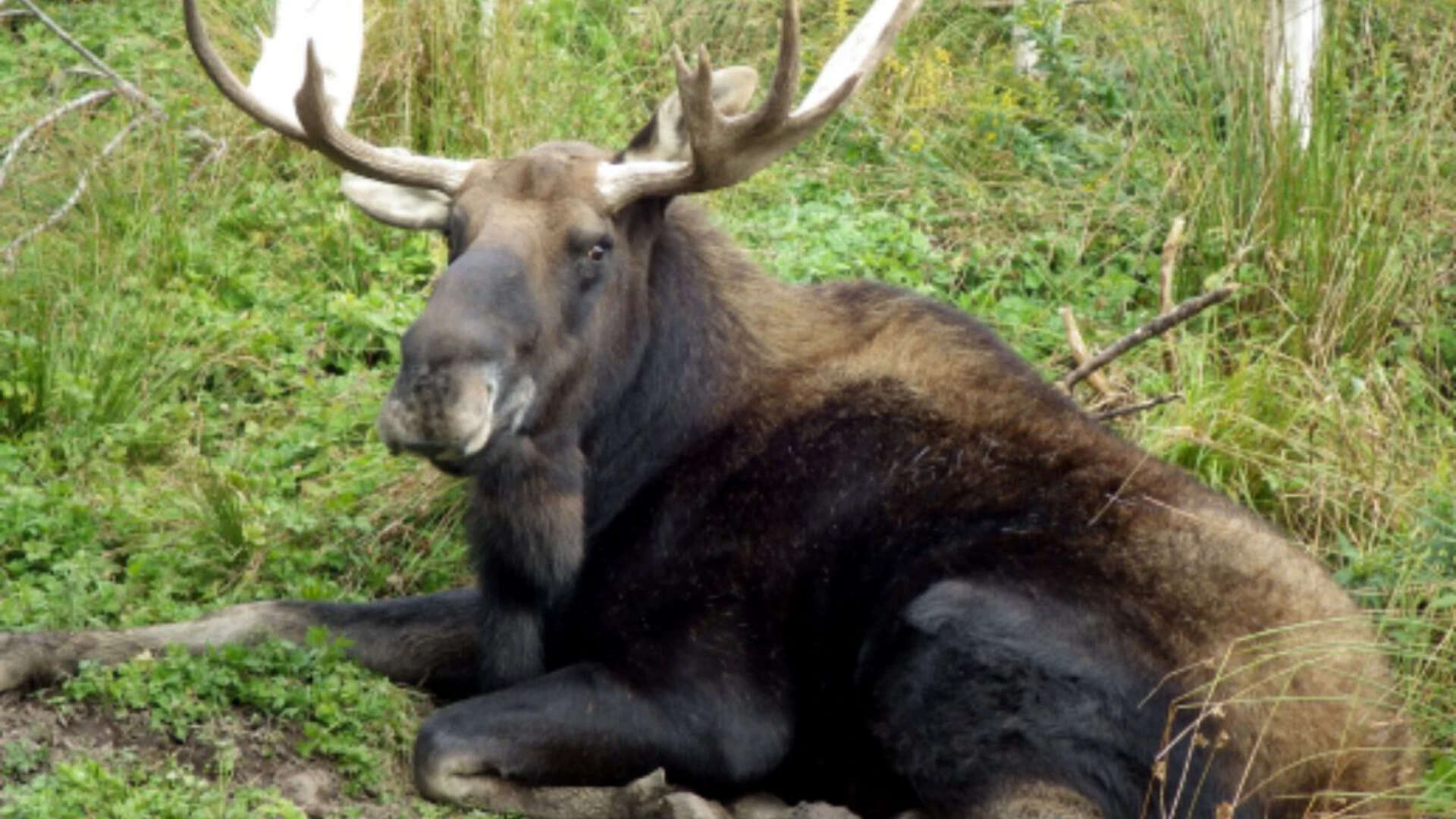
A century after just four moose were released in Newfoundland to attract hunters, the introduced animals transformed the island’s forests and wildlife management. Their population grew to nearly 200,000 before habitat damage triggered declines. A new management plan explains how science is now helping keep moose numbers in balance with forests, public safety and long-term ecosystem health. A century after just four moose were released in Newfoundland to attract hunters, the introduced animals transformed the island’s forests and wildlife management. Their population grew to nearly 200,000 before habitat damage triggered declines. A new management plan explains how science is now helping keep moose numbers in balance with forests, public safety and long-term ecosystem health.
Trending
- ‘US not piggybank for Europe’: Trump to impose tariffs on EU for fining Google
- Scotland planted trees on ancient peatland. Now it is removing them
- Diego Garcia became one of the world’s most strategic military bases
- Grain, not guns: MEA rejects Russia’s claim on deadly ship attack that killed 4 Indians
- Big Bear bald eagle Jackie’s health update: Lead poisoning ruled out, bright and strong but critical after life-saving blood transfusion
- Fast-track special courts slow as backlog mounts; nearly 2.5 lakh cases pending
- 8 people entered a sealed glass world believing they could survive for two years
- Indian seafarer killed after ship attacked in Black Sea; MEA condemns incident

4 moose released in 1904 became 200,000 and changed Newfoundland forests
 By
By

Add A Comment