
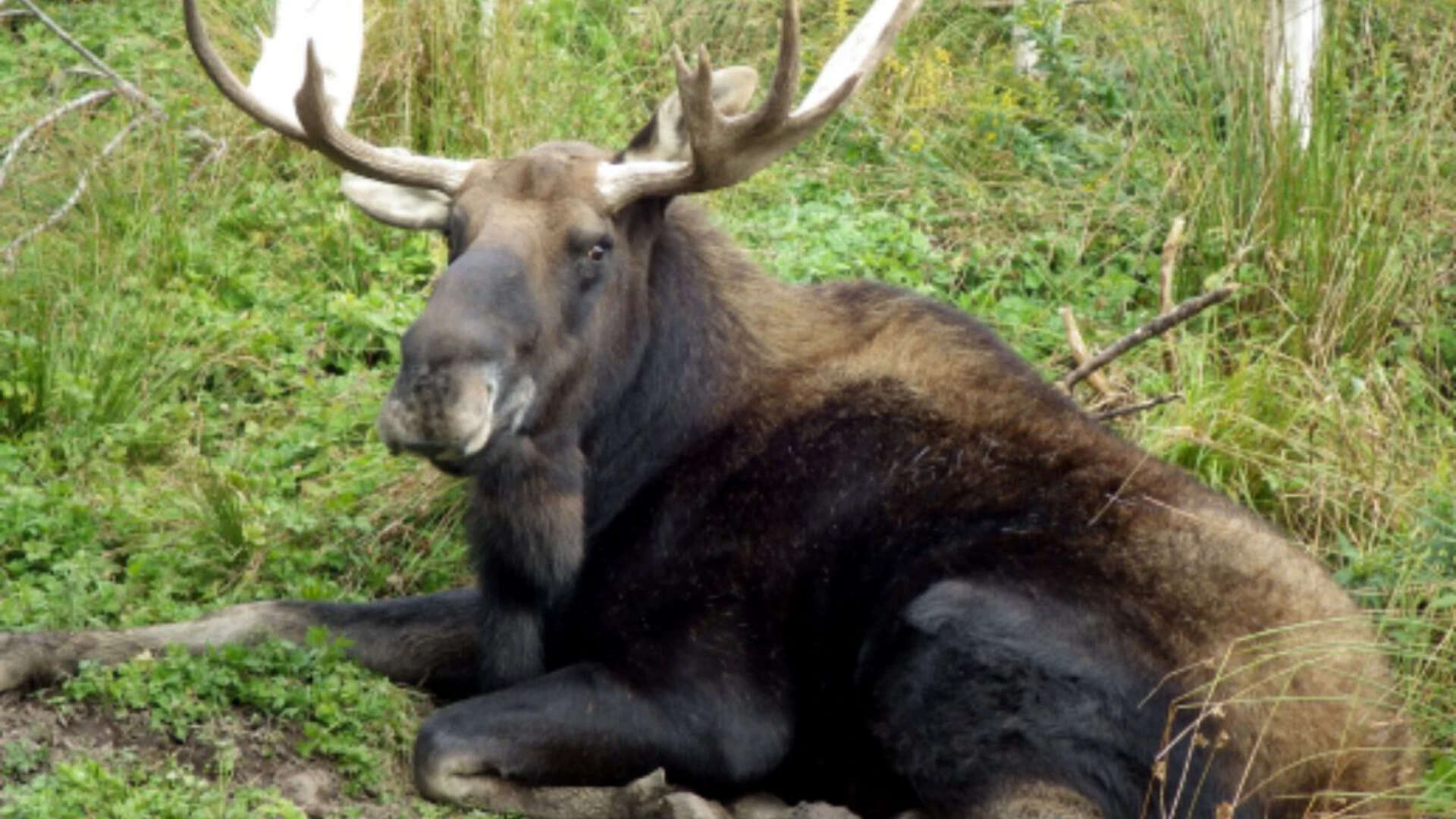
A century after just four moose were released in Newfoundland to attract hunters, the introduced animals transformed the island’s forests and wildlife management. Their population grew to nearly 200,000 before habitat damage triggered declines. A new management plan explains how science is now helping keep moose numbers in balance with forests, public safety and long-term ecosystem health. A century after just four moose were released in Newfoundland to attract hunters, the introduced animals transformed the island’s forests and wildlife management. Their population grew to nearly 200,000 before habitat damage triggered declines. A new management plan explains how science is now helping keep moose numbers in balance with forests, public safety and long-term ecosystem health.
Trending
- NTA terminates 47 officials, begins specialist-led rebuild
- British father jailed for life for killing 4-week-old son after drinking eight pints
- Delhi QR property cards: Lal Dora, Abadi village owners to get digitally verified records
- Ethiopian drylands grew forest cover from 1.9% to over 22% in 9 years
- Ravneet Singh Bittu resigns from Union Council of Ministers; President Murmu accepts resignation
- Korean professor who got his students to write a research paper for his daughter’s admission to a top dental school sent to jail for 3.6 years
- RSS women’s wing kicks off three-day national meet in Haryana
- ‘I’ll work with him’: Joshi reveals plans to develop Sooryavanshi’s bowling

4 moose released in 1904 became 200,000 and changed Newfoundland forests
 By
By

Add A Comment