





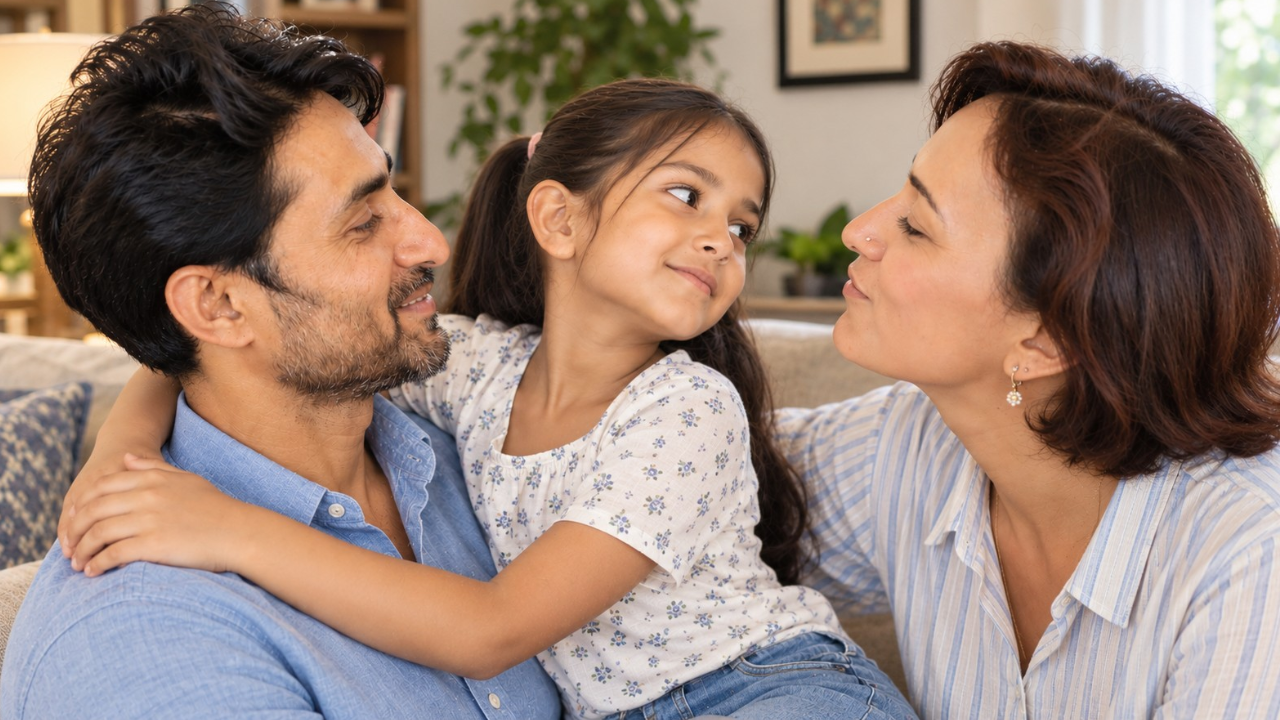
Children often exhibit different behaviors with each parent, reflecting the unique bonds formed through daily encounters. Such variations do not signify favoritism but instead showcase patterns of emotional safety and attachment. Factors like daily routines or emotional necessities shape their interactions. These behaviors reveal the child’s comfort level with each caregiver. By grasping these dynamics, parents can support their child’s emotional growth without fostering rivalry. Children often exhibit different behaviors with each parent, reflecting the unique bonds formed through daily encounters. Such variations do not signify favoritism but instead showcase patterns of emotional safety and attachment. Factors like daily routines or emotional necessities shape their interactions. These behaviors reveal the child’s comfort level with each caregiver. By grasping these dynamics, parents can support their child’s emotional growth without fostering rivalry.