
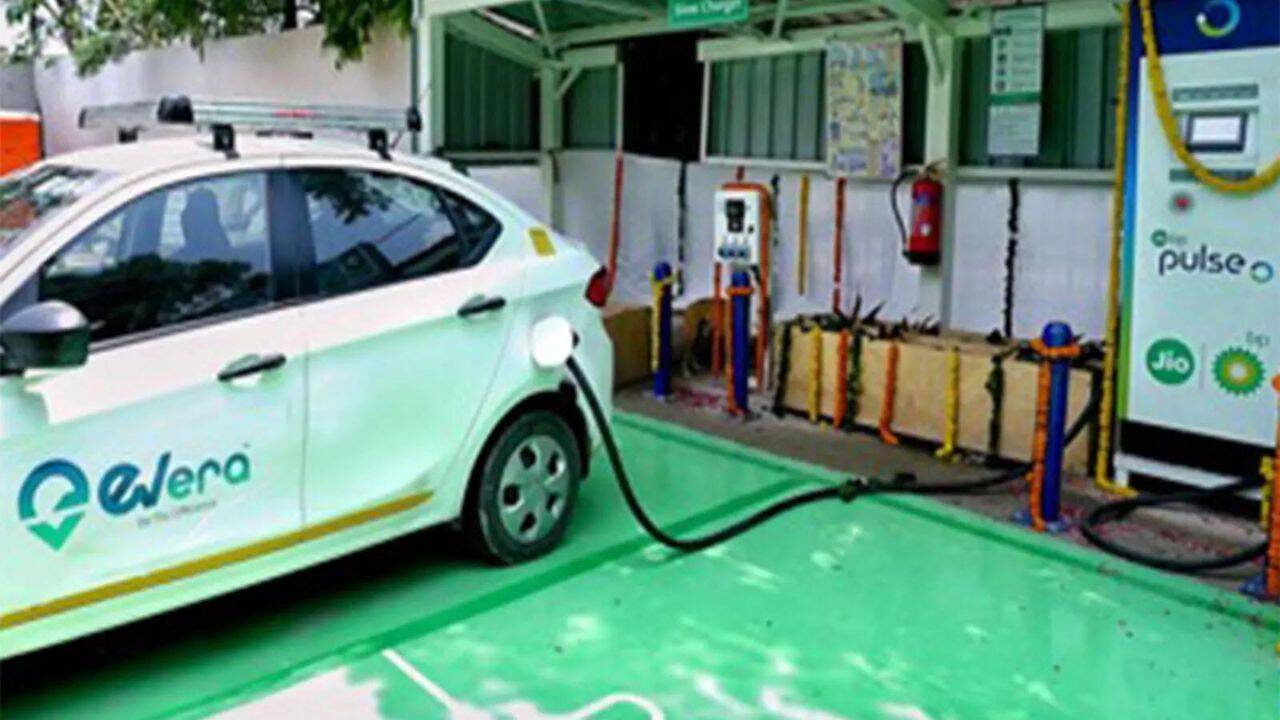
Delhi’s new EV Policy 2026 aims to accelerate clean mobility by phasing out petrol and CNG two-wheelers by April 2028 and mandating electric three-wheelers from 2027. While offering substantial incentives, a Morgan Stanley report warns that wider adoption by other states could pose a significant challenge for automakers, especially in the two-wheeler segment. The policy includes Rs 70 billion in direct incentives and aims to install over 30,000 charging points. Delhi’s new EV Policy 2026 aims to accelerate clean mobility by phasing out petrol and CNG two-wheelers by April 2028 and mandating electric three-wheelers from 2027. While offering substantial incentives, a Morgan Stanley report warns that wider adoption by other states could pose a significant challenge for automakers, especially in the two-wheeler segment. The policy includes Rs 70 billion in direct incentives and aims to install over 30,000 charging points.
Trending
- ‘Ireland hangover’: Karthik on Shreyas Iyer’s toss decision vs England
- Japan backs India’s 2027 target for Mumbai-Ahmedabad bullet train project: All you need to know
- Punjab Congress rift out in open: Channi camp seeks state president Raja Warring’s replacement
- ‘Police regime’: Stalin slams Tamil Nadu CM Vijay over ex DMK MLA’s arrest
- Why do goats climb trees in Morocco: The surprising science behind their forest-saving habit
- 102 missed alerts, failed anti-drone system: US report on 2024 Trump shooting
- Battling a heatwave? Here’s how the right thermostat fan setting can help you feel cooler
- Why Delhi’s EV policy poses big risk if adopted by other states

Why Delhi’s EV policy poses big risk if adopted by other states
 By
By

Add A Comment