
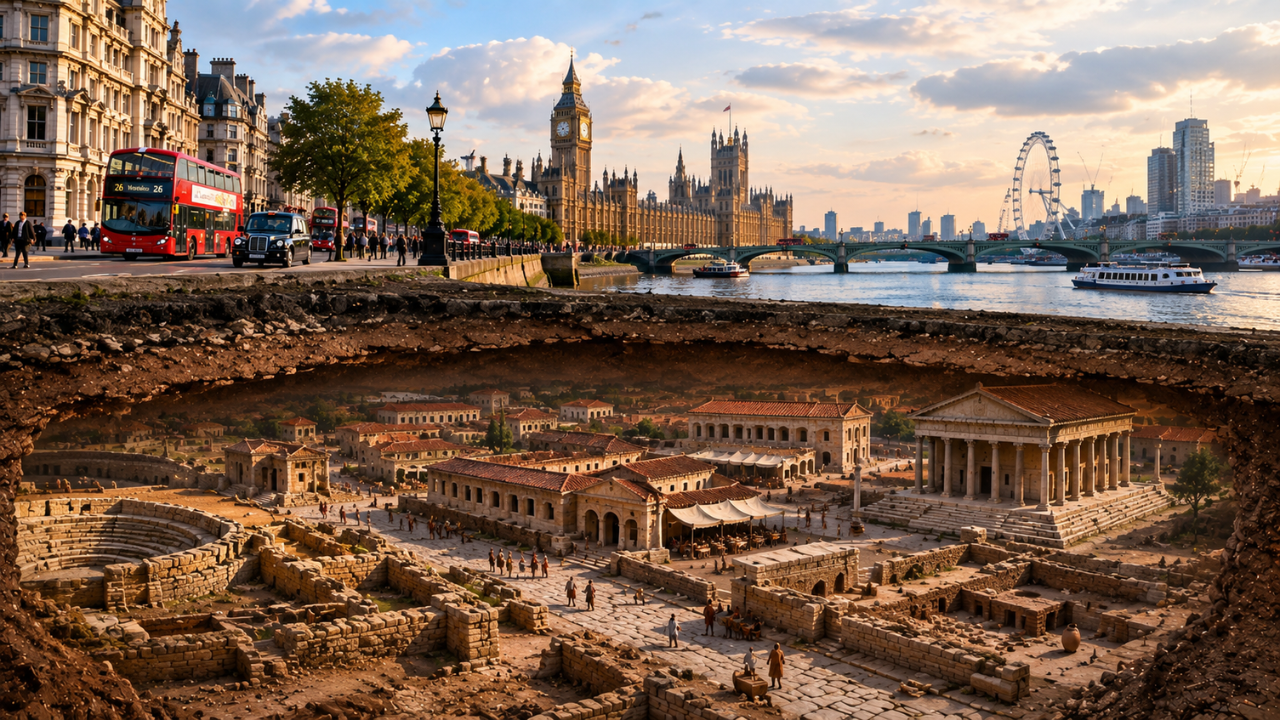
Throughout history, ancient cities were frequently reconstructed at the same sites due to their inherent strategic benefits. Such locations provided essential resources like water, access to trade routes, and fertile land, which were valued across generations. As populations expanded, they built upon the existing infrastructure, resulting in the formation of layered urban landscapes. This progression naturally elevated ground levels over centuries, causing ancient remnants to lie beneath contemporary urban settings. Throughout history, ancient cities were frequently reconstructed at the same sites due to their inherent strategic benefits. Such locations provided essential resources like water, access to trade routes, and fertile land, which were valued across generations. As populations expanded, they built upon the existing infrastructure, resulting in the formation of layered urban landscapes. This progression naturally elevated ground levels over centuries, causing ancient remnants to lie beneath contemporary urban settings.
Trending
- Iran war energy costs hit US consumers at $1mn every 2 minutes: Report
- Bengaluru start up gets US patent for its satellite imaging tech
- Texas’ Bahia Grande stayed dry for 70 years before tides brought wildlife back
- Dubai teen built AI platform for breast cancer after losing grandmother at 10; took cancer awareness to India
- Another French museum heist: 4 Renoir paintings stolen, one dropped while fleeing
- ED detects Rs 60 crore ‘irregularities’ after 24-hour search at TMC MP Nadimul Haque’s premises
- PM Modi opens 326 km of new freight corridor sections, network now complete
- Why archaeologists keep finding ancient cities beneath modern ones

Why archaeologists keep finding ancient cities beneath modern ones
 By
By

Add A Comment