
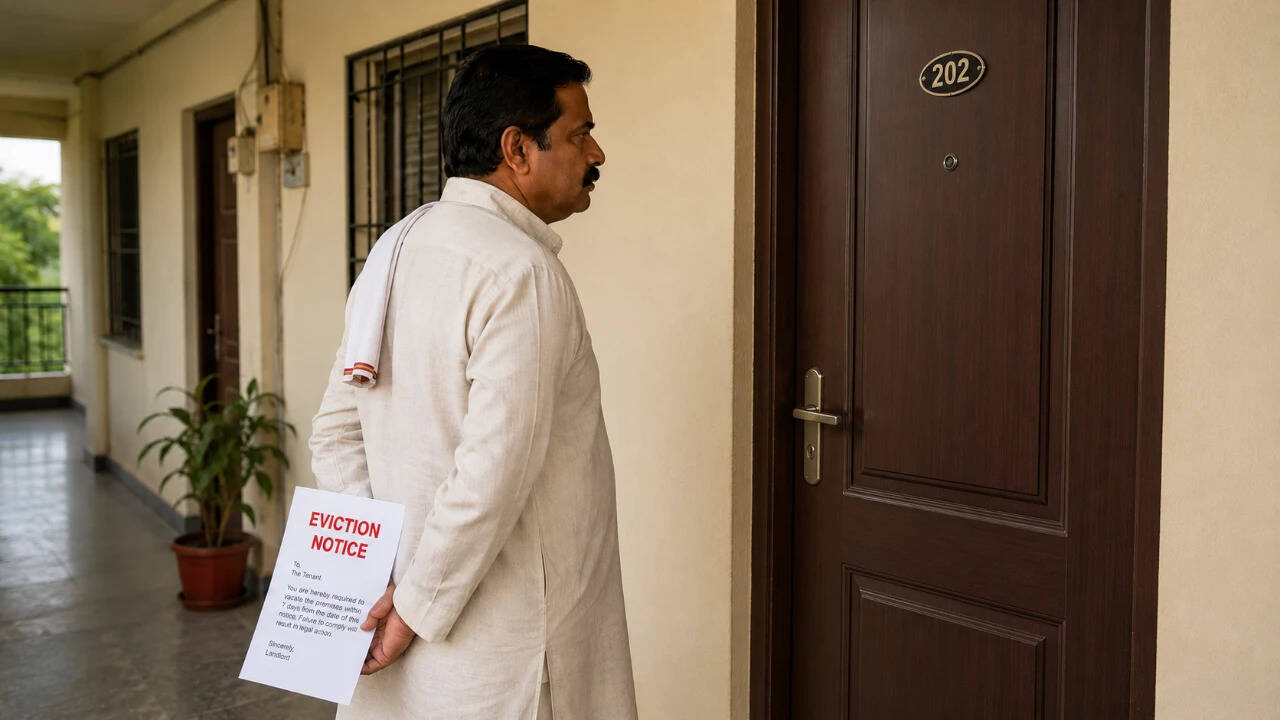
The Model Tenancy Act, 2021 introduces significant reforms allowing landlords to remove troublesome tenants through legal channels. It specifies clear eviction grounds, such as non-payment of rent and unauthorized subleasing. Eviction proceedings must take place in the Rent Court, eliminating unlawful forceful evictions. Tenants who resist vacating risk severe penalties, including paying double or quadruple rent. Furthermore, legal heirs can also request eviction based on genuine needs. The Model Tenancy Act, 2021 introduces significant reforms allowing landlords to remove troublesome tenants through legal channels. It specifies clear eviction grounds, such as non-payment of rent and unauthorized subleasing. Eviction proceedings must take place in the Rent Court, eliminating unlawful forceful evictions. Tenants who resist vacating risk severe penalties, including paying double or quadruple rent. Furthermore, legal heirs can also request eviction based on genuine needs.
Trending
- No radar needed, safer landings in bad weather: After GAGAN, India to get first satellite-guided helicopter approach
- ‘Vote chori, seat chori, chanda chori’: Congress attacks BJP over Ayodhya donation row
- Why England players have been allowed to use Viagra ahead of Mexico World Cup clash
- Sealing escape routes, deploying more troops in J&K: Army’s hunt for 2 LeT terrorists in Shopian enters Day 2
- Market recap: Top-10 firms add Rs 1 lakh crore in m-cap; Airtel, Bajaj Finance lead gains
- Aamir Khan & Gauri Spratt officially married: The duo ties knot in Bandra
- Goldman Sachs economist on millions losing jobs to AI: They won’t be permanently wiped out
- New state, old script: Infighting returns to haunt Congress’s Punjab poll plan

When and how can landlords evict tenants? What the Model Tenancy Act says
 By
By

Add A Comment