
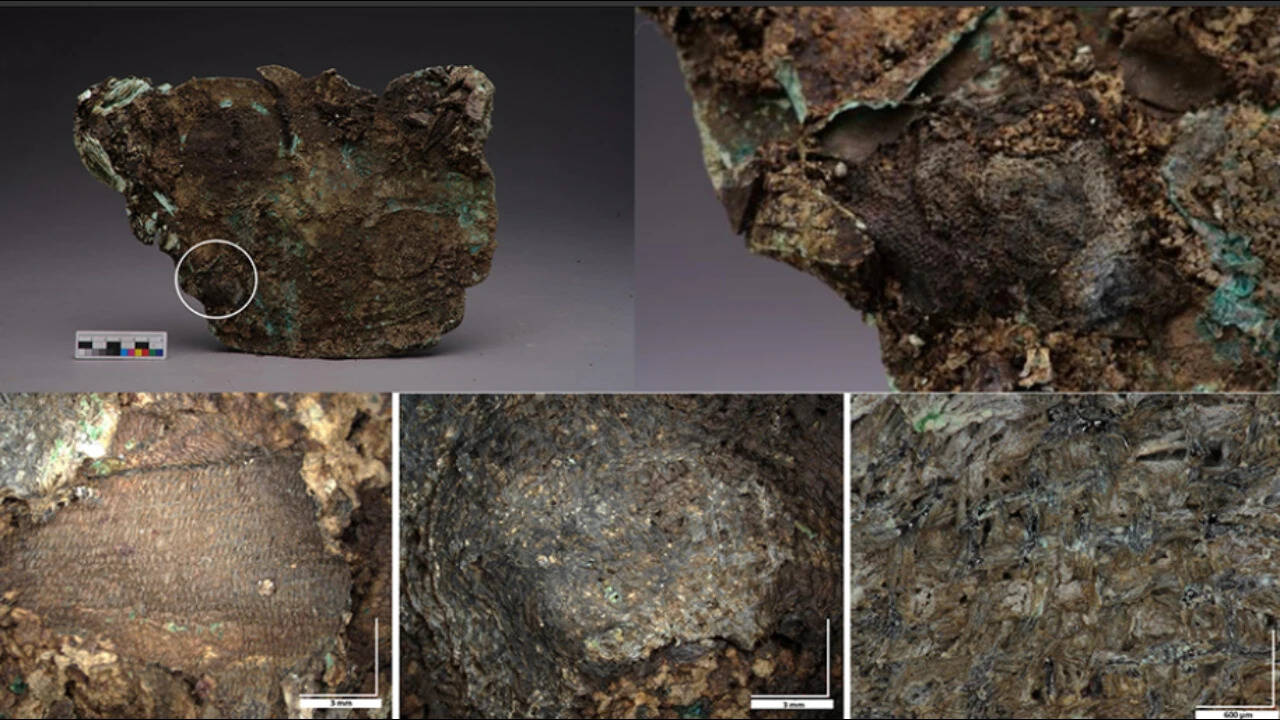
Scientists studying 3,000-year-old objects from China’s Sanxingdui archaeological site have found silk traces on 101 artefacts, including bronze masks, gold, jade and ivory objects. Published in the journal Antiquity, the study suggests that ancient Shu people used silk to wrap or cover objects during rituals. Researchers also identified red pigments and different weaving patterns, offering clues about ancient textile practices. Scientists studying 3,000-year-old objects from China’s Sanxingdui archaeological site have found silk traces on 101 artefacts, including bronze masks, gold, jade and ivory objects. Published in the journal Antiquity, the study suggests that ancient Shu people used silk to wrap or cover objects during rituals. Researchers also identified red pigments and different weaving patterns, offering clues about ancient textile practices.
Trending
- Indiana woman wins fight to keep home after ex-partner’s brother seeks sale
- California court overturns husband’s $39,000 legal fee award filed too late
- Kerala man sues IRCTC over Rs 1 short refund, wins Rs 3,100 compensation
- Man buys two paintings for $60, discovers they’re worth $1.072m; sellers lose
- Are banks cyber-ready? RBI seeks proof of compliance amid rising attacks
- ‘I will be present in court’: Anant Singh to surrender by Dec 1 after SC cancels bail; accuses Neeraj Kumar of plotting case
- Dropped Sooryavanshi, brought back Ishan: Team India’s call backfires
- British streamer Caedrel climbs to No. 1 in streaming rankings during Worlds 2026 as his League of Legends broadcasts generate 6.4 million hours watched

Silk traces found on 101 ancient Chinese ritual objects dating back 3,000 years
 By

Add A Comment