




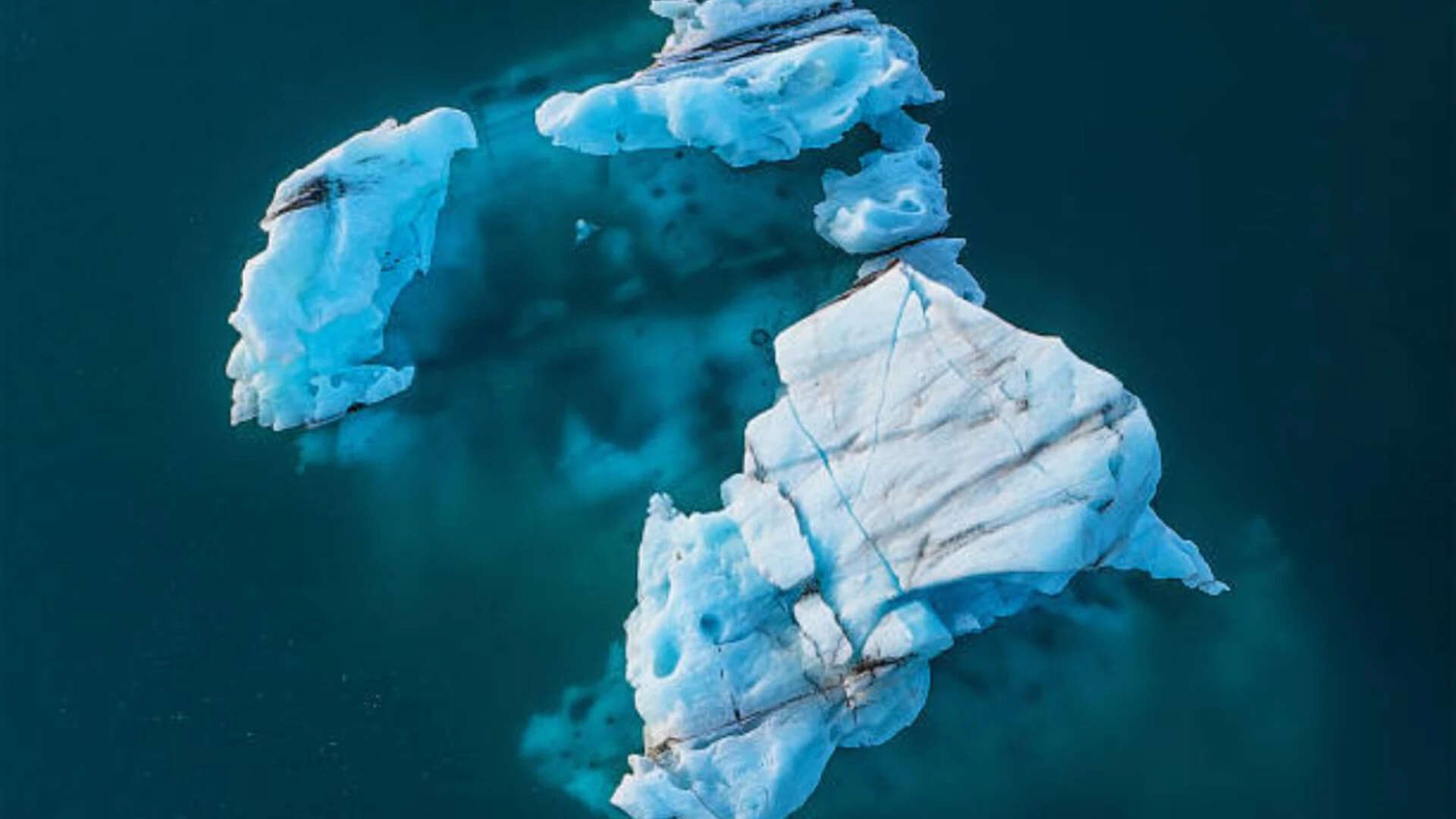
In a study published in Nature Communications, researchers from Sweden, US, Switzerland and Norway mapped what lies beneath all the glaciers on the planet and reached a shocking conclusion: when part of this ice disappears, Earth could gain 56,659 new lakes in areas currently completely frozen. This could increase the risk of flooding in Asia, Andes, Alaska and the Arctic In a study published in Nature Communications, researchers from Sweden, US, Switzerland and Norway mapped what lies beneath all the glaciers on the planet and reached a shocking conclusion: when part of this ice disappears, Earth could gain 56,659 new lakes in areas currently completely frozen. This could increase the risk of flooding in Asia, Andes, Alaska and the Arctic