
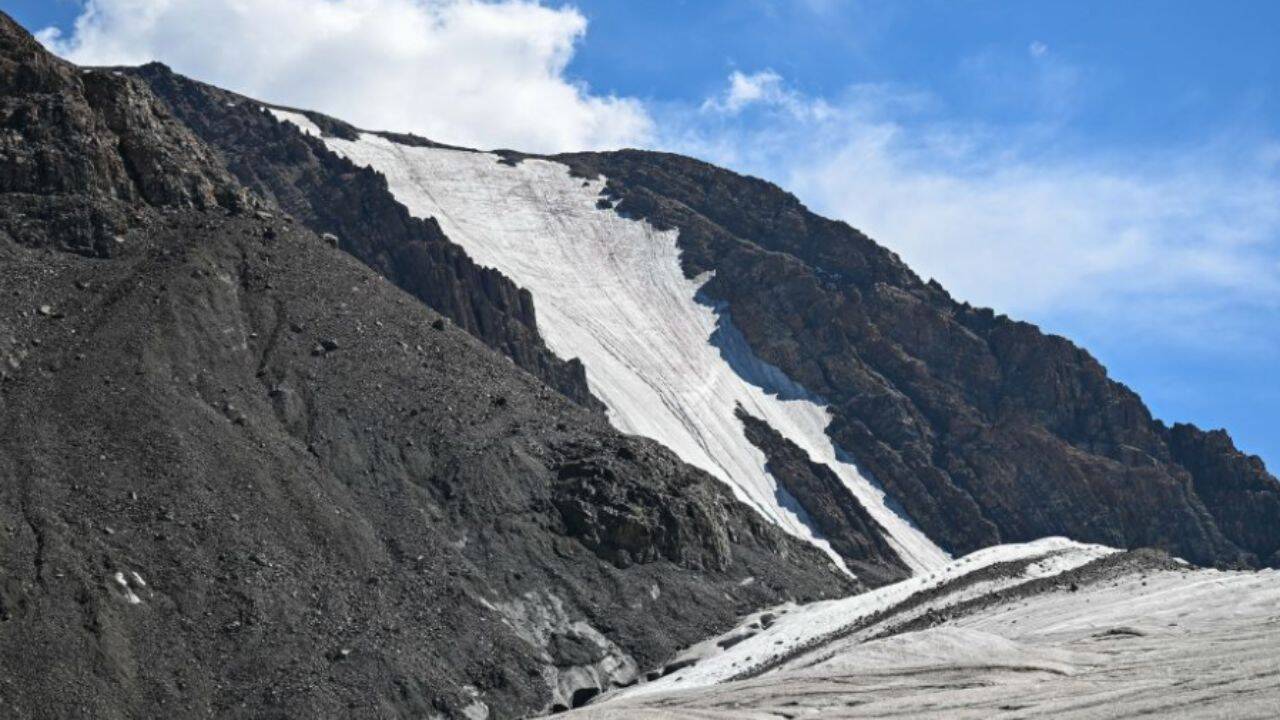
Scientists tested cloud seeding over China’s Muz Taw Glacier in 2018 to create artificial snowfall and slow ice loss. The experiment used silver iodide generators to encourage snow formation. Researchers found that fresh snow made the glacier surface brighter and reduced the amount of ice lost over a short period. However, they said the results are preliminary and need further testing. Scientists tested cloud seeding over China’s Muz Taw Glacier in 2018 to create artificial snowfall and slow ice loss. The experiment used silver iodide generators to encourage snow formation. Researchers found that fresh snow made the glacier surface brighter and reduced the amount of ice lost over a short period. However, they said the results are preliminary and need further testing.
Trending
- Antarctica gained record 695 billion tons of ice after decades of loss
- AI predicts fusion plasma instability 200 ms early, stops it in time
- Artist puts Kashmiri poet Lal Ded’s mysticism on Pashmina
- Ladakh’s tourist footfall continues rising; August sees most foreign visitors
- Village head’s appeal drove Ladakh LG’s initiative to tap 90 million litres of glacial water for irrigation
- NCPCR summons Meta India head over alleged child abuse ads
- Kharge ‘purification’ row escalates as Congress MPs demand FIR from Delhi Police
- US Democrat urges House Speaker to sue Trump admin over triumphal arch, says Congress never approved funds

Scientists seeded clouds over Chinese glacier; ice loss later fell up to 17%
 By
By

Add A Comment