
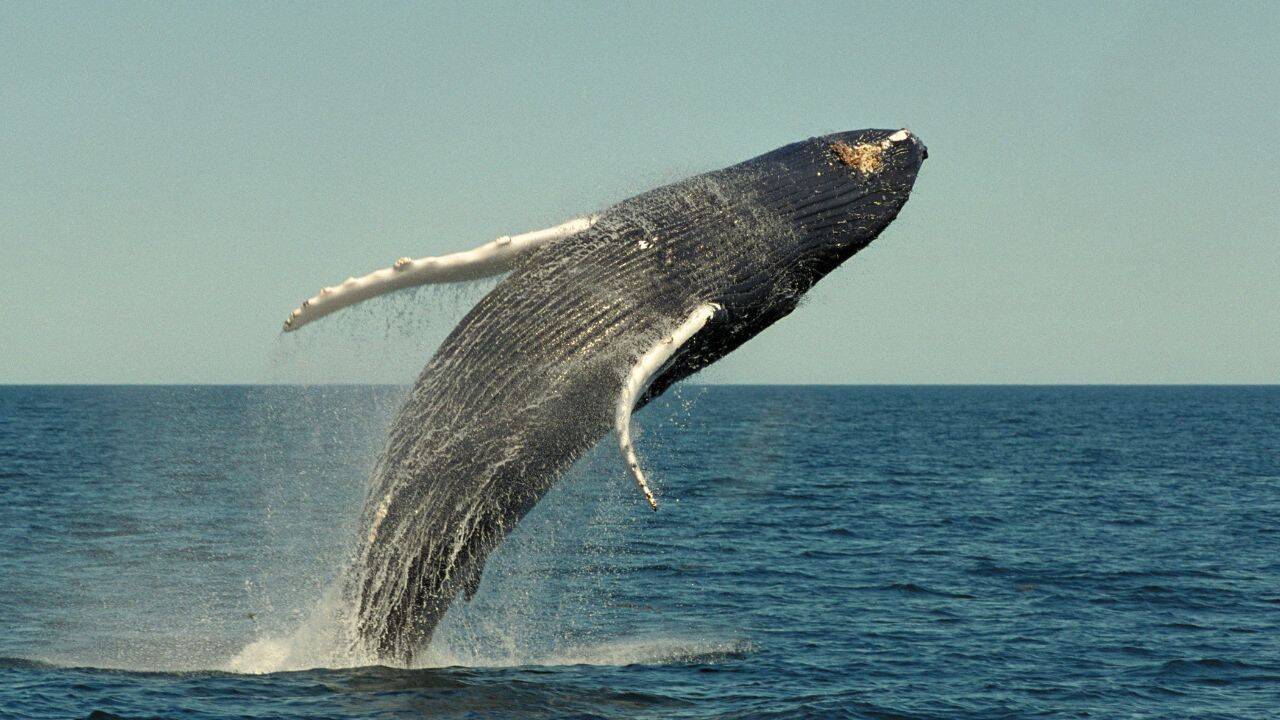
Researchers at the University of St Andrews have pioneered a groundbreaking technique to harness whale DNA through the use of drones. This method captures genetic material from the whales’ breath, often referred to as whale snot. Their findings successfully sequenced complete genomes from specimens gathered off the coast of British Columbia. Researchers at the University of St Andrews have pioneered a groundbreaking technique to harness whale DNA through the use of drones. This method captures genetic material from the whales’ breath, often referred to as whale snot. Their findings successfully sequenced complete genomes from specimens gathered off the coast of British Columbia.
Trending
- Indiana condo buyer pays $9,489 in HOA dues, court says he still owes more
- Dua Lipa’s £6.75m London home still being rebuilt 6 years on, due in 2027
- Reflecting on Purana Qila’s history, Pakistan minister invokes Humanyun & Sher Shah Suri at SCO civilisational dialogue to assert cultural diversity
- Scientists sample humpback whale breath by drone, find 3 new genetic variants
- Jharkhand CM Hemant Soren writes to CJI seeking urgent appointment of HC chief justice successor
- After Oleshky ceasefire, Melania Trump wants more Ukraine ceasefires before Christmas; Zelenskyy reacts
- Texas man accused of posing as veteran to win $1.6m contracts, supply fake gear
- Beverly Hills penthouse sells for $21M, with rooftop pool and $18,740 monthly dues

Scientists sample humpback whale breath by drone, find 3 new genetic variants
 By

Add A Comment