
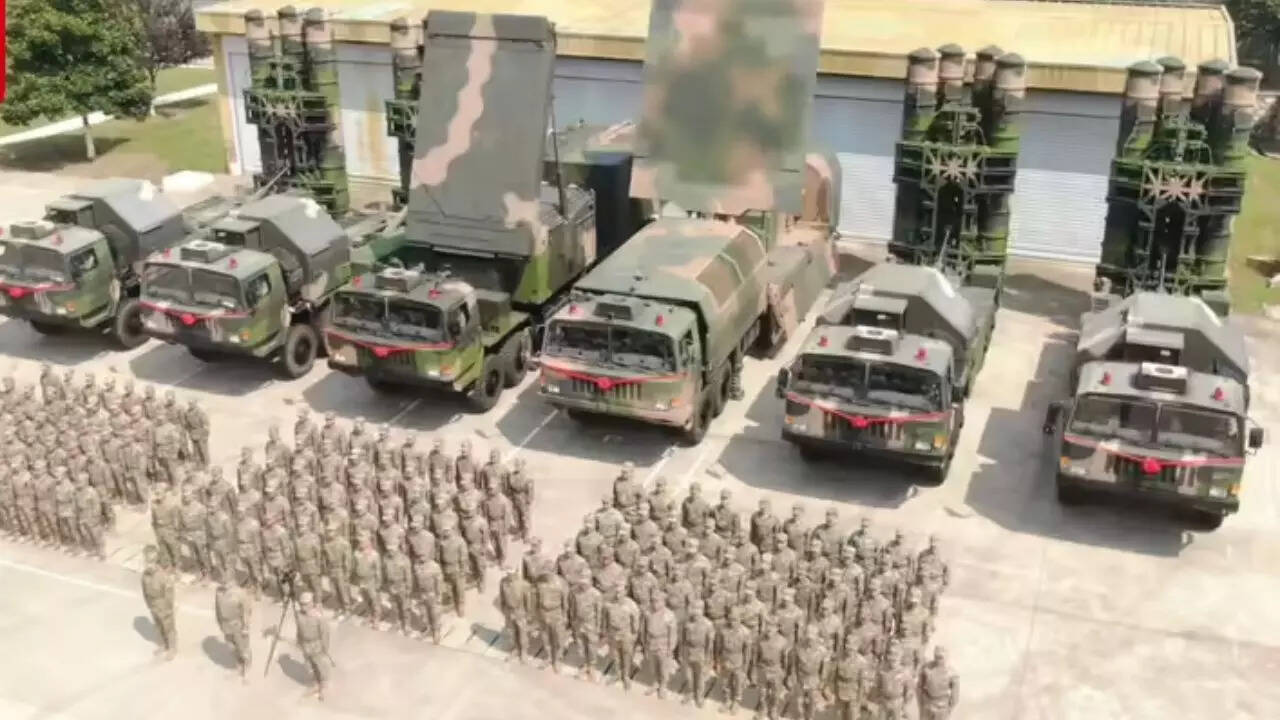
Recent conflicts have exposed troubling vulnerabilities in Chinese weaponry. Pakistan’s air defenses buckled against Indian missiles, Venezuela’s radars went dark during a US raid, and Iran’s systems faltered under airstrikes—patterns that point to shoddy engineering and weak software. Taken together, these incidents suggest systemic quality-control problems that erode buyer confidence and fuel a credibility crisis for China’s arms industry. Recent conflicts have exposed troubling vulnerabilities in Chinese weaponry. Pakistan’s air defenses buckled against Indian missiles, Venezuela’s radars went dark during a US raid, and Iran’s systems faltered under airstrikes—patterns that point to shoddy engineering and weak software. Taken together, these incidents suggest systemic quality-control problems that erode buyer confidence and fuel a credibility crisis for China’s arms industry.
Trending
- LoC drone intrusions force closure of Kashmir schools till March 3
- ‘They want to talk, and I agreed’: Trump claims Iran seeking dialogue
- PMO seeks third-party audits for road, rail projects; highway ministry asked to study GQ-era construction
- Ice-cool Sanju Samson fires India into T20 World Cup semis
- Ban, regulate or reform? Social media & under-15s – The India question
- America First, Diplomacy Last: The Peace President who went to war
- Almost all US military bases hit by Iran: Is America unable to protect its assets in Middle-East?
- ‘Patriots, keep protesting’: Iranian prayer app with five million users hacked by Israel, says report

Pakistan, Venezuela & now Iran: Why Chinese-made weapons keep failing
 By
By

Add A Comment