
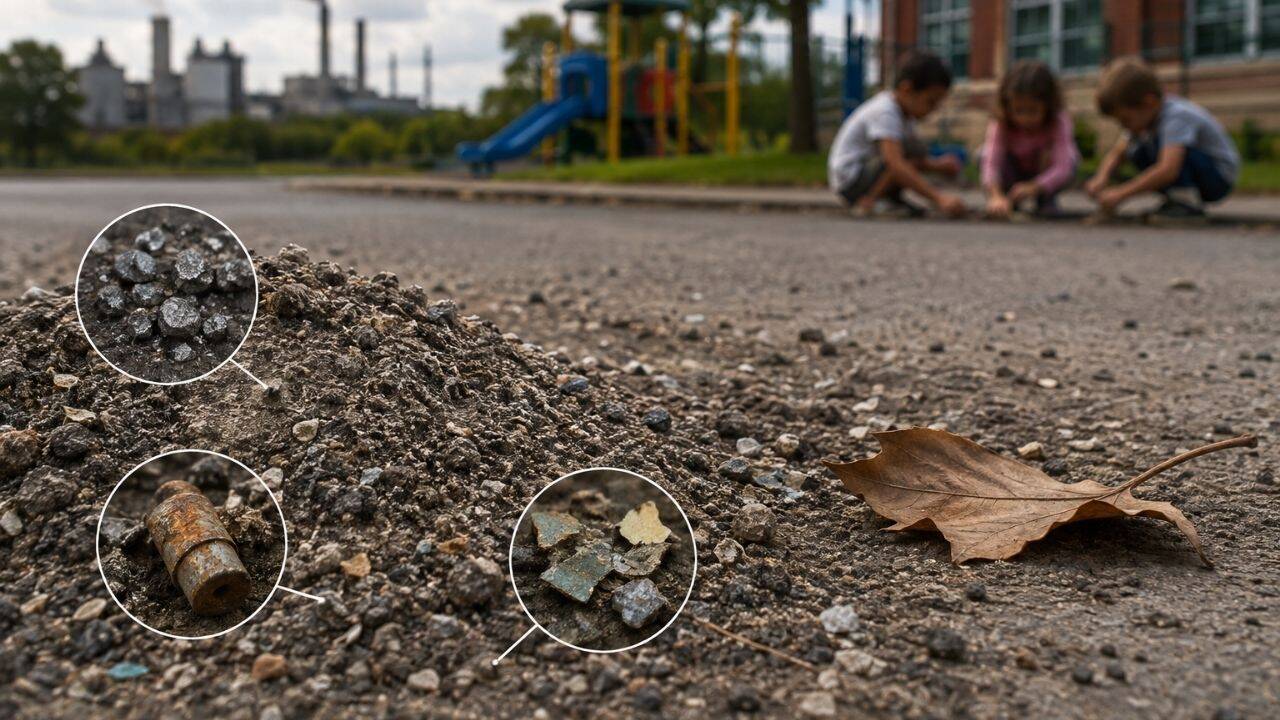
In seven eastern cities of the U.S., road dust harbors toxic metals linked to historical industrial actions. These contaminants remain entrenched, presenting health dangers through regular dust interactions, especially for children who are more susceptible due to their behaviors and smaller size. Areas in the Northeast exhibit higher concentrations of these metals, a reflection of their extended industrial past. Recognizing these enduring pollutants is vital for effective community health strategies. In seven eastern cities of the U.S., road dust harbors toxic metals linked to historical industrial actions. These contaminants remain entrenched, presenting health dangers through regular dust interactions, especially for children who are more susceptible due to their behaviors and smaller size. Areas in the Northeast exhibit higher concentrations of these metals, a reflection of their extended industrial past. Recognizing these enduring pollutants is vital for effective community health strategies.
Trending
- Rare twin girls born hugging finally go home after two months in intensive care
- Canada deported 3,323 Indians in first half of 2026: Report
- Gen Z more honest, protesters not anti-national: Bhagwat
- India successfully test-fires Agni-4 ballistic missile – why it matters
- ‘Every government should listen to students’: Rahul Gandhi’s first remarks on Jharkhand protests
- UK warns divers not to touch or pursue protected seahorses
- Argentina declare Messi’s win over England as National Football Teams Day
- Merchant charges for UPI soon? LS passes Bill allowing banks to levy fees

Old factory metals and pesticides found near US parks and schools
 By
By

Add A Comment