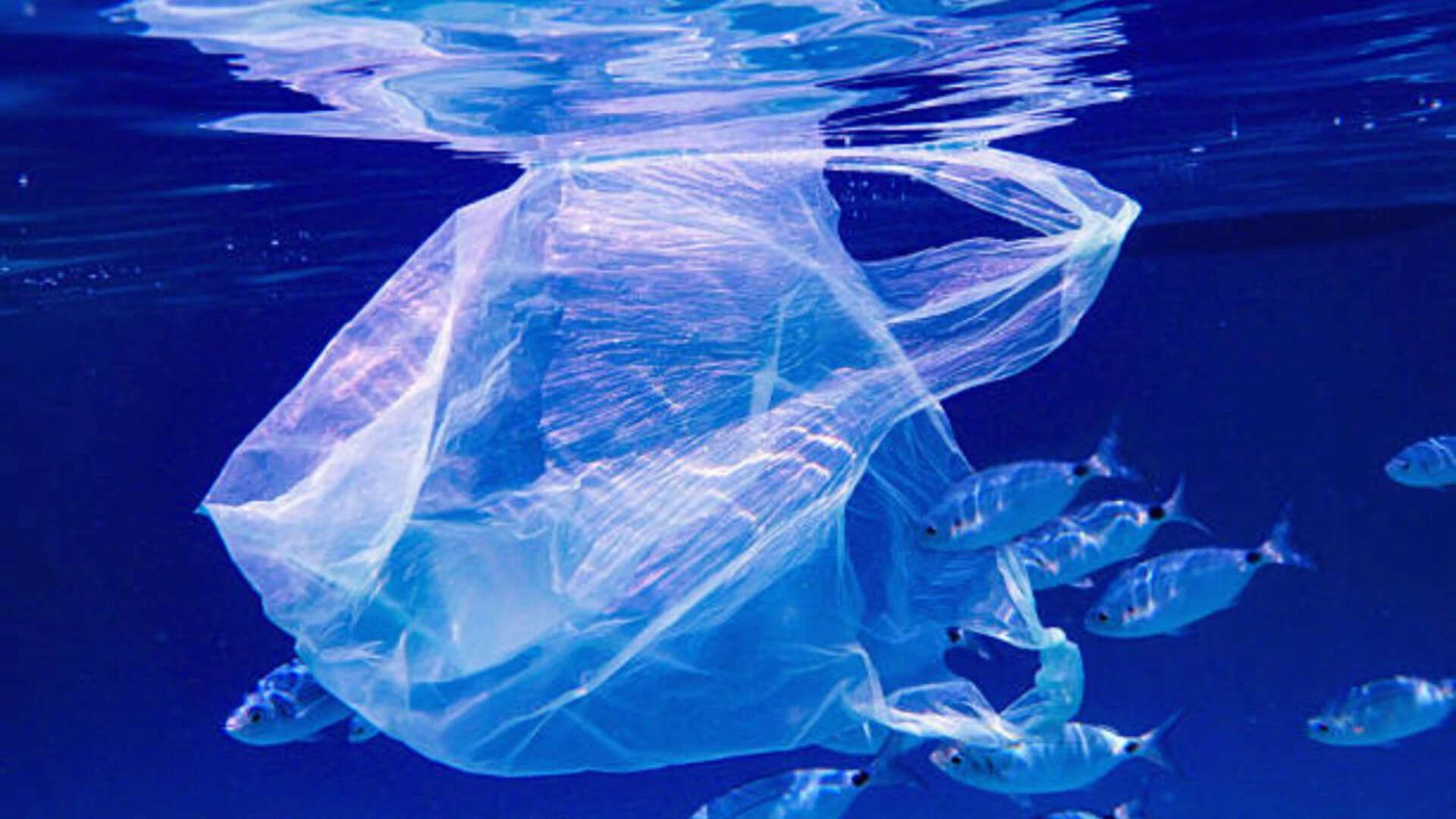





Microplastics have infiltrated remote deep-sea hydrothermal vent ecosystems globally. A recent study found microplastics in ninety-two percent of examined deep-sea animals. Polystyrene was the most frequently detected polymer among the plastic particles found. Feeding behavior influenced microplastic accumulation within the animals’ bodies. Animals from the Indian Ocean showed significantly higher microplastic concentrations than Pacific specimens. Microplastics have infiltrated remote deep-sea hydrothermal vent ecosystems globally. A recent study found microplastics in ninety-two percent of examined deep-sea animals. Polystyrene was the most frequently detected polymer among the plastic particles found. Feeding behavior influenced microplastic accumulation within the animals’ bodies. Animals from the Indian Ocean showed significantly higher microplastic concentrations than Pacific specimens.