
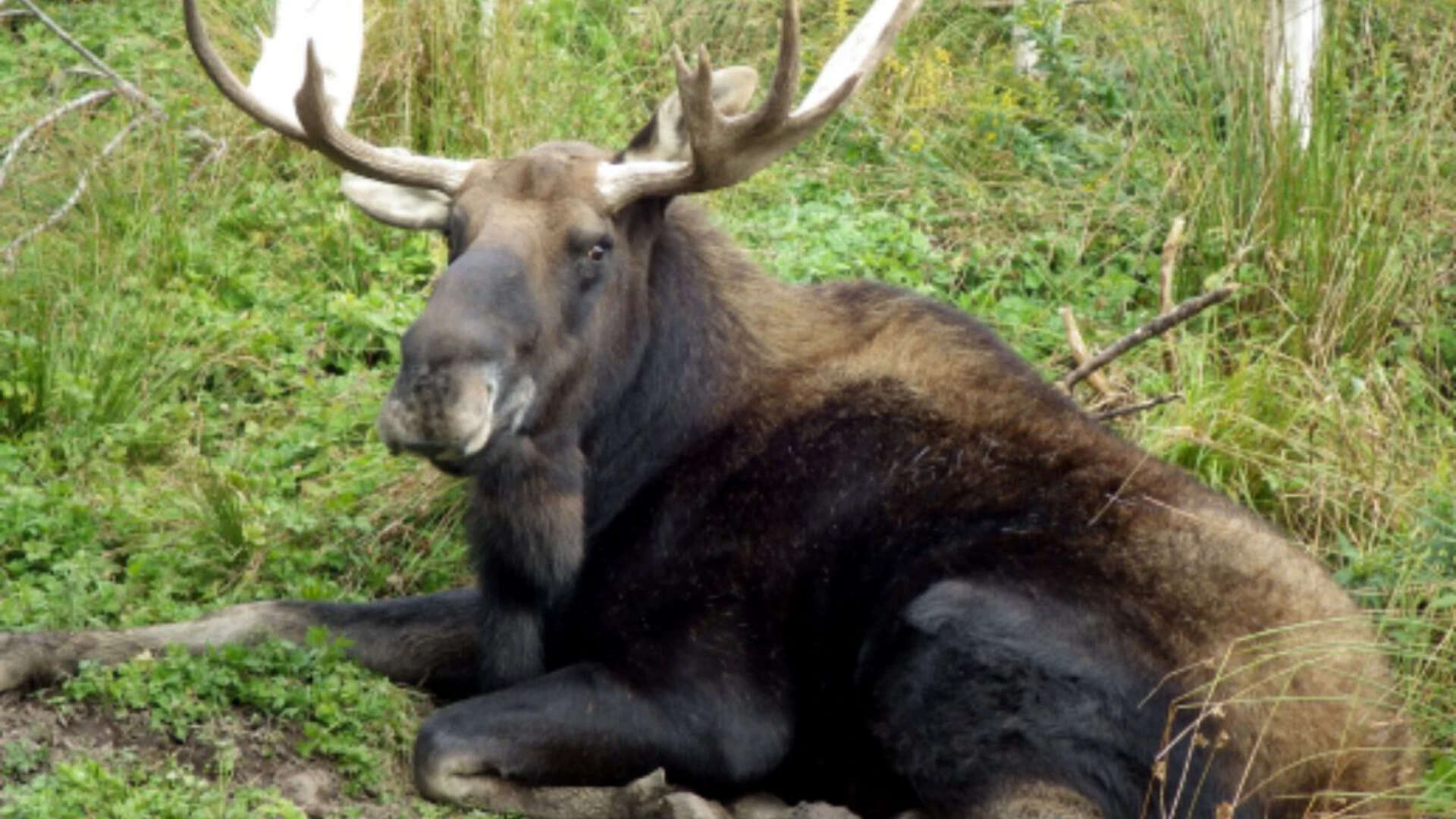
A century after just four moose were released in Newfoundland to attract hunters, the introduced animals transformed the island’s forests and wildlife management. Their population grew to nearly 200,000 before habitat damage triggered declines. A new management plan explains how science is now helping keep moose numbers in balance with forests, public safety and long-term ecosystem health.
Trending
- Google co-founder Sergey Brin turned his $450 million superyacht into a floating headquarters with an entire deck dedicated to work
- Thailand is placing seagrass inside 3D-printed shelters because animals destroy it before it grows
- King Charles III emerges from Tardis in ‘Doctor Who’ moment at Commonwealth Games 2026 opening
- ‘Position remains unchanged’: India rejects Pakistan’s Asean remarks, reiterates stand on Indus Waters Treaty
- How four Moose released in 1904 ended up reshaping Newfoundland’s forests forever
- Netra, AWACS & Mk II: Inside India’s tiered airborne surveillance shield
- ‘There are Chinese projects on territories in J&K that belong to India’: MEA objects to illegal occupation
- US-Saudi nuclear deal: Why Riyadh’s uranium enrichment plans may worry Israel and India

How four Moose released in 1904 ended up reshaping Newfoundland’s forests forever
 By
By

Add A Comment