
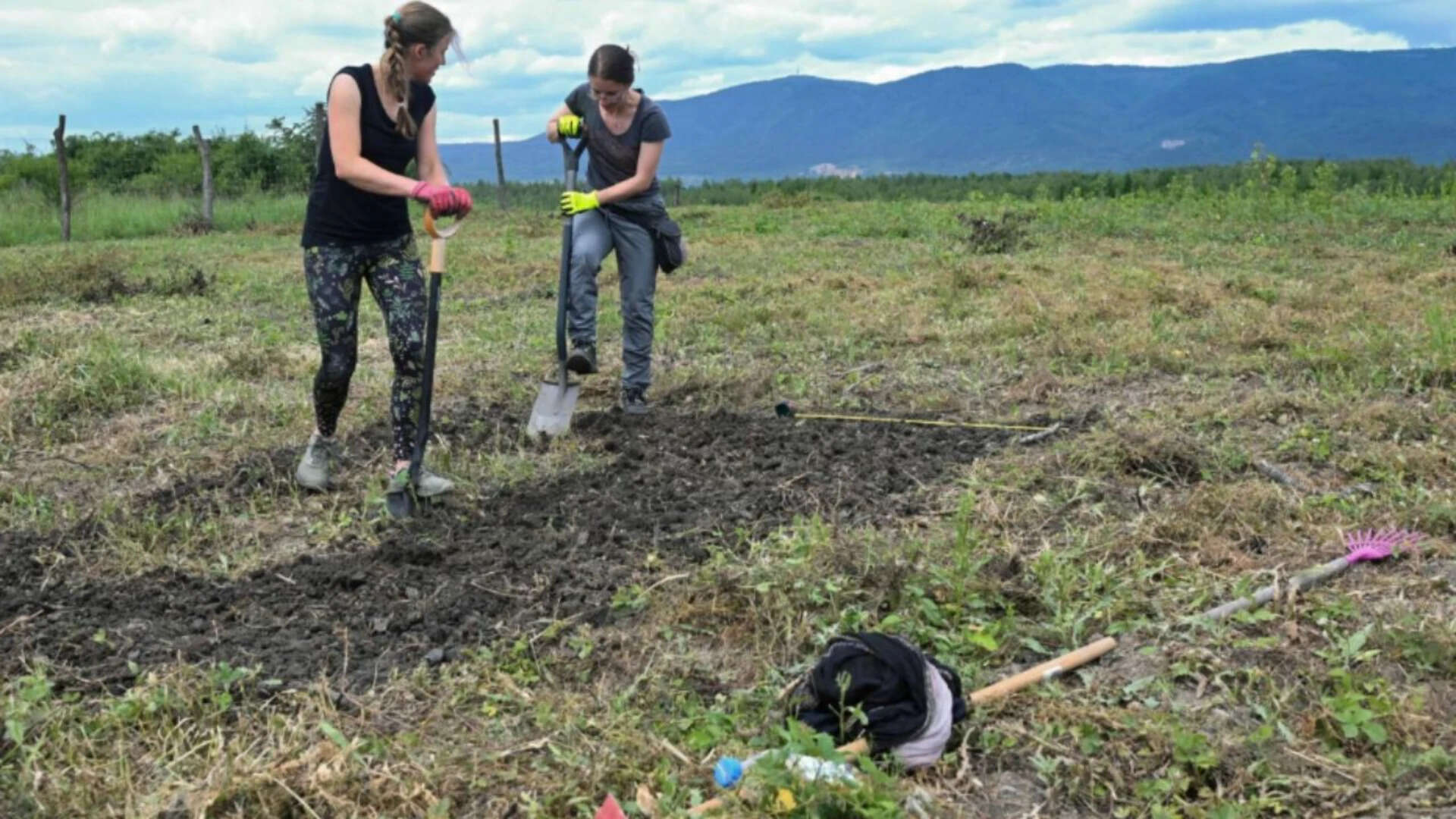
Scientists in the Czech Republic are testing giant Miscanthus, a fast-growing perennial grass, to see if it can help restore Ukraine’s war-damaged farmland. Backed by a NATO project, the research aims to remove pollutants from contaminated soil, improve soil health and eventually make the land suitable for farming again while producing biomass for renewable energy. Scientists in the Czech Republic are testing giant Miscanthus, a fast-growing perennial grass, to see if it can help restore Ukraine’s war-damaged farmland. Backed by a NATO project, the research aims to remove pollutants from contaminated soil, improve soil health and eventually make the land suitable for farming again while producing biomass for renewable energy.
Trending
- Himachal Pradesh: At least 13 feared dead after taxi crushed by boulders
- ‘She didn’t disclose her whereabouts’: JFI chief confirms Tulika Maan’s CWG withdrawal
- Delhi Police deploys facial recognition cameras at Jantar Mantar to track wanted criminals
- India’s fertiliser game plan: 32 lakh tonnes imported in Q1; strengthened supply chains
- B’desh crisis: President resigns ahead of Hasina’s return; reports of rift with govt
- ‘My partner is half-Indian’: Elon Musk rejects racism allegations, says his son’s name honours Indian scientist Subrahmanyan Chandrasekhar
- Oregon proposes fees of up to nearly $5 million for undersea cables using its coastal seabed, with payments benefiting public schools
- Up to 10-year jail & Rs 10 crore fine: Cabinet clears tougher anti-paper leak bill

Giant grass planted near Bucha may help clean Ukraine’s war-damaged land
 By
By

Add A Comment