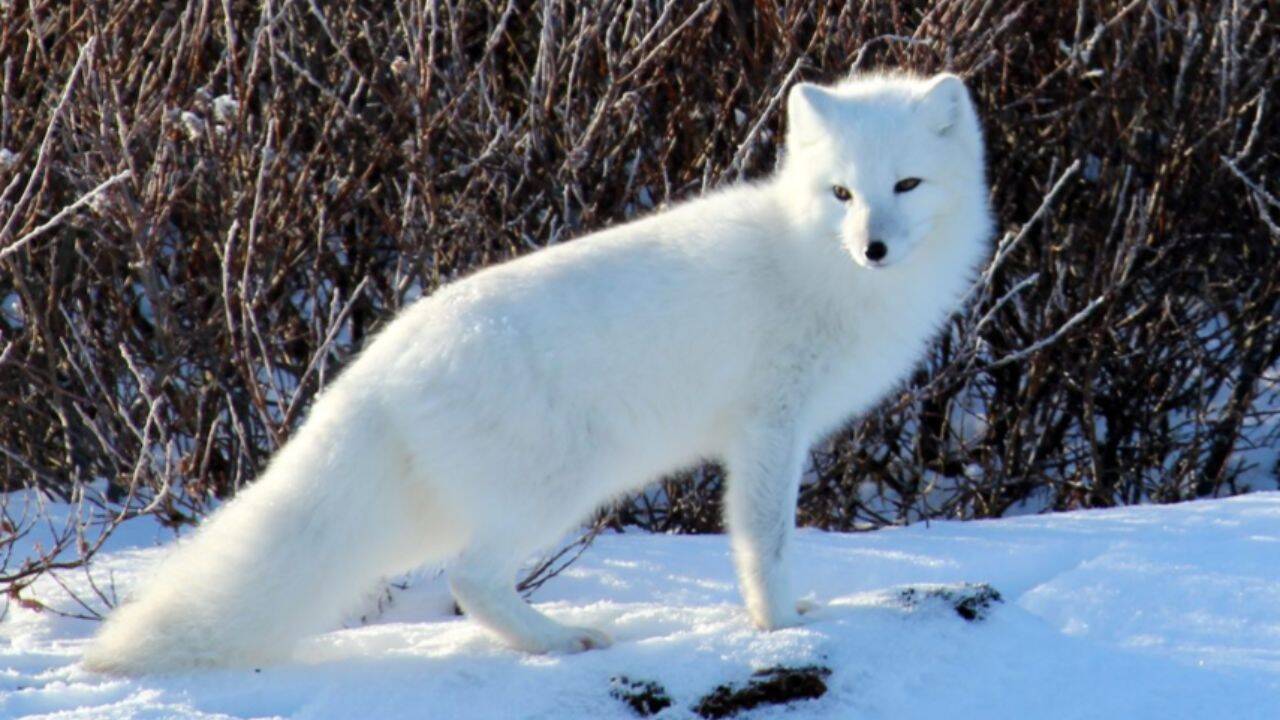





Arctic foxes introduced to more than 400 Alaskan islands for fur had an unexpected impact on the ecosystem. By preying on seabirds, they reduced the flow of nutrient-rich guano from the ocean to land. Researchers found that fox-free islands had far more seabirds, richer soil and much more grass, while fox-infested islands shifted towards shrubs and forbs. Arctic foxes introduced to more than 400 Alaskan islands for fur had an unexpected impact on the ecosystem. By preying on seabirds, they reduced the flow of nutrient-rich guano from the ocean to land. Researchers found that fox-free islands had far more seabirds, richer soil and much more grass, while fox-infested islands shifted towards shrubs and forbs.