
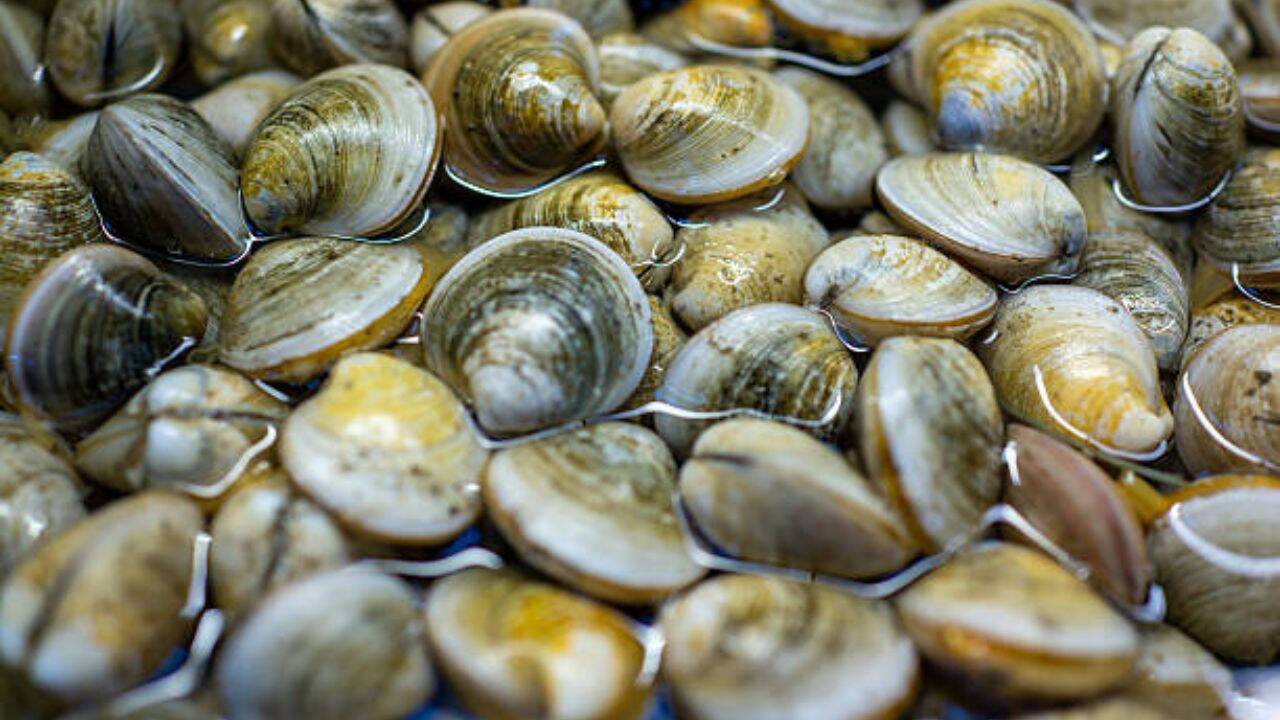
Florida’s Indian River Lagoon shows signs of recovery after decades of environmental decline. Scientists are restoring critical habitats like reefs, shellfish beds, seagrass, and wetlands. Efforts focus on reintroducing clams, which were nearly extinct due to overharvesting and algal blooms. Millions of juvenile and adult “super clams” have been released into the lagoon. Local governments are addressing runoff issues to support the lagoon’s ongoing restoration. Florida’s Indian River Lagoon shows signs of recovery after decades of environmental decline. Scientists are restoring critical habitats like reefs, shellfish beds, seagrass, and wetlands. Efforts focus on reintroducing clams, which were nearly extinct due to overharvesting and algal blooms. Millions of juvenile and adult “super clams” have been released into the lagoon. Local governments are addressing runoff issues to support the lagoon’s ongoing restoration.
Trending
- PM must come to House and reply on Ram Mandir donation theft case: Mallikarjun Kharge
- Budapest’s low Danube exposes two German soldiers and a DKW motorcycle buried for 80 years
- How 10 billion trees transformed South Korea’s post-war forests
- NIA arrests main conspirator in Kerala illegal explosives seizure case; tenth arrest so far
- 87-lb paddlefish tagged in 2007 caught again at 98 lbs, 18 years later
- Redonda rebounds: 6,000 rats, goats removed; lizards up 8x, vegetation 20x
- Marathon hit! Shubman Gill bats for over an hour in NCC nets
- Meta must comply with Indian law, not merely global policies: Centre

Florida scientists turn 39 surviving clams into 65 million
 By
By

Add A Comment