
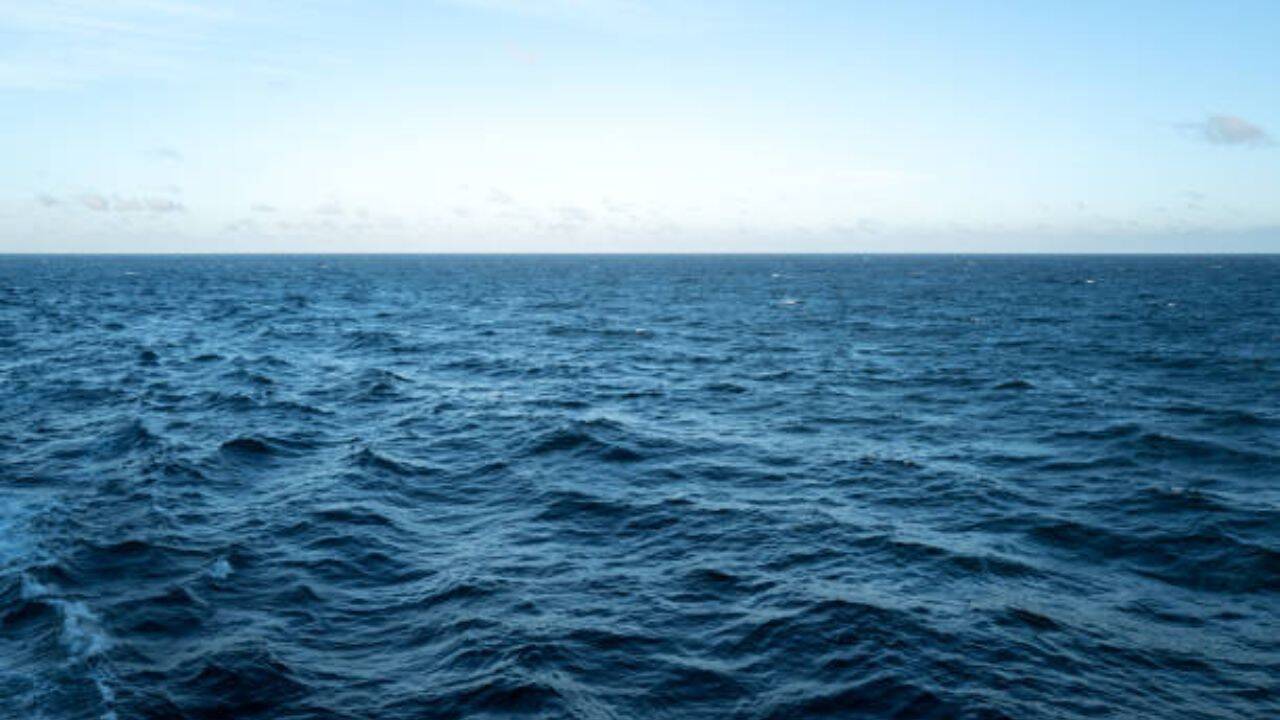
The Pacific Ocean, which is the largest ocean on Earth, is gradually shrinking due to the convergence of tectonic plates. Subduction zones around its edges are consuming the ocean floor at a rate faster than new material is formed. Scientists estimate that in 200 to 300 million years, the Pacific could entirely close up, pulling continents together to create a new supercontinent. The Pacific Ocean, which is the largest ocean on Earth, is gradually shrinking due to the convergence of tectonic plates. Subduction zones around its edges are consuming the ocean floor at a rate faster than new material is formed. Scientists estimate that in 200 to 300 million years, the Pacific could entirely close up, pulling continents together to create a new supercontinent.
Trending
- Western Australia’s humpback sightings fell 60%; days later, weakened Southern Ocean seabirds appeared thousands of kilometres away on the country’s east coast
- Jana Nayagan box office day 12: Vijay’s film slows after Rs 200 crore mark
- Share ‘creative’ ways to bring Iran to negotiating table: US military asks troops
- ‘People become Leftist after meeting Islamists’: Kangana Ranaut says she’s now an ‘awakened Hindu’
- Russia floats out nuclear submarine: What makes Project 885M Yasen-M special
- Nmplol vs Zoil drama explained as Twitch self-gifting controversy turns into ugly public fallout
- What time will stock market close from today? New timings and rationale explained
- Kalgoorlie’s 1970s mine-waste forest still shields the city today

Earth’s largest ocean is shrinking and could create supercontinent Amasia
 By
By

Add A Comment