




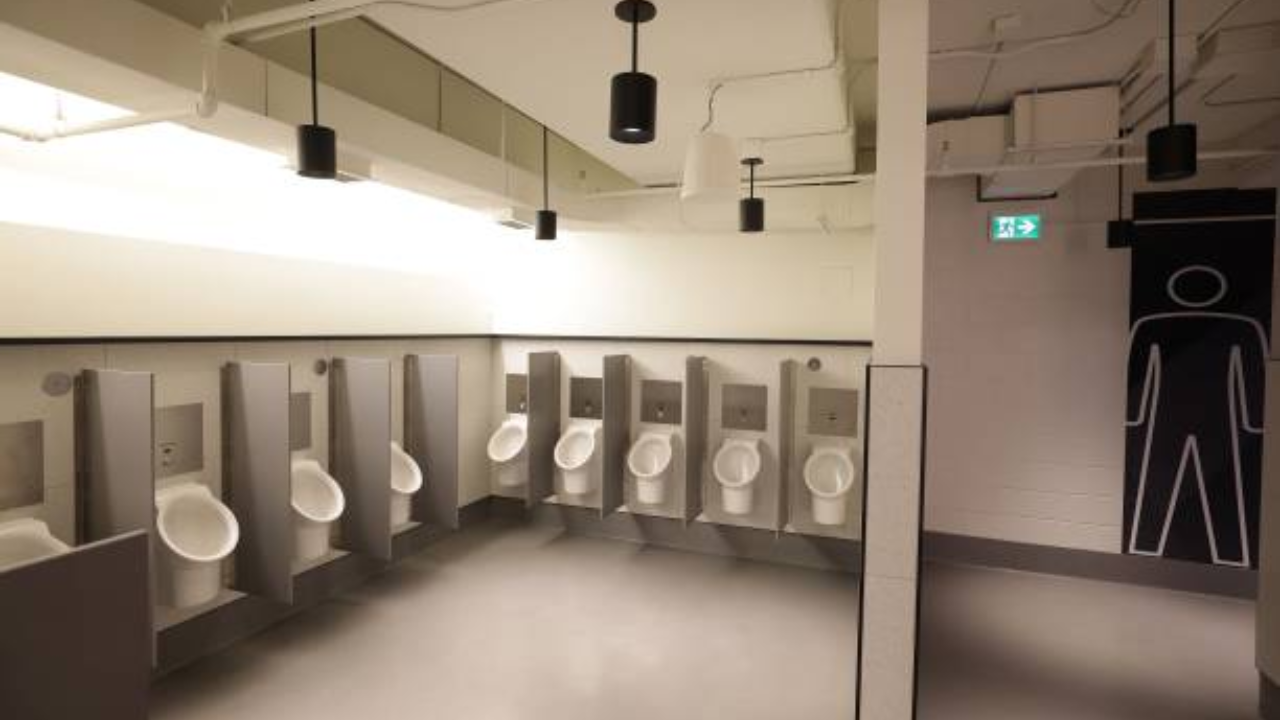
Men in a Dutch office toilet became a small power station using a dedicated urinal. This rig extracted phosphate and ammonia while generating electricity for electric cars. Bacteria break down organic matter in urine, transferring electrons to electrodes for current production. Separately collected urine is a promising feedstock for these bio-electrochemical treatment systems. Research shows urine can be a valuable source for fertilizer and hydrogen gas production. Men in a Dutch office toilet became a small power station using a dedicated urinal. This rig extracted phosphate and ammonia while generating electricity for electric cars. Bacteria break down organic matter in urine, transferring electrons to electrodes for current production. Separately collected urine is a promising feedstock for these bio-electrochemical treatment systems. Research shows urine can be a valuable source for fertilizer and hydrogen gas production.