


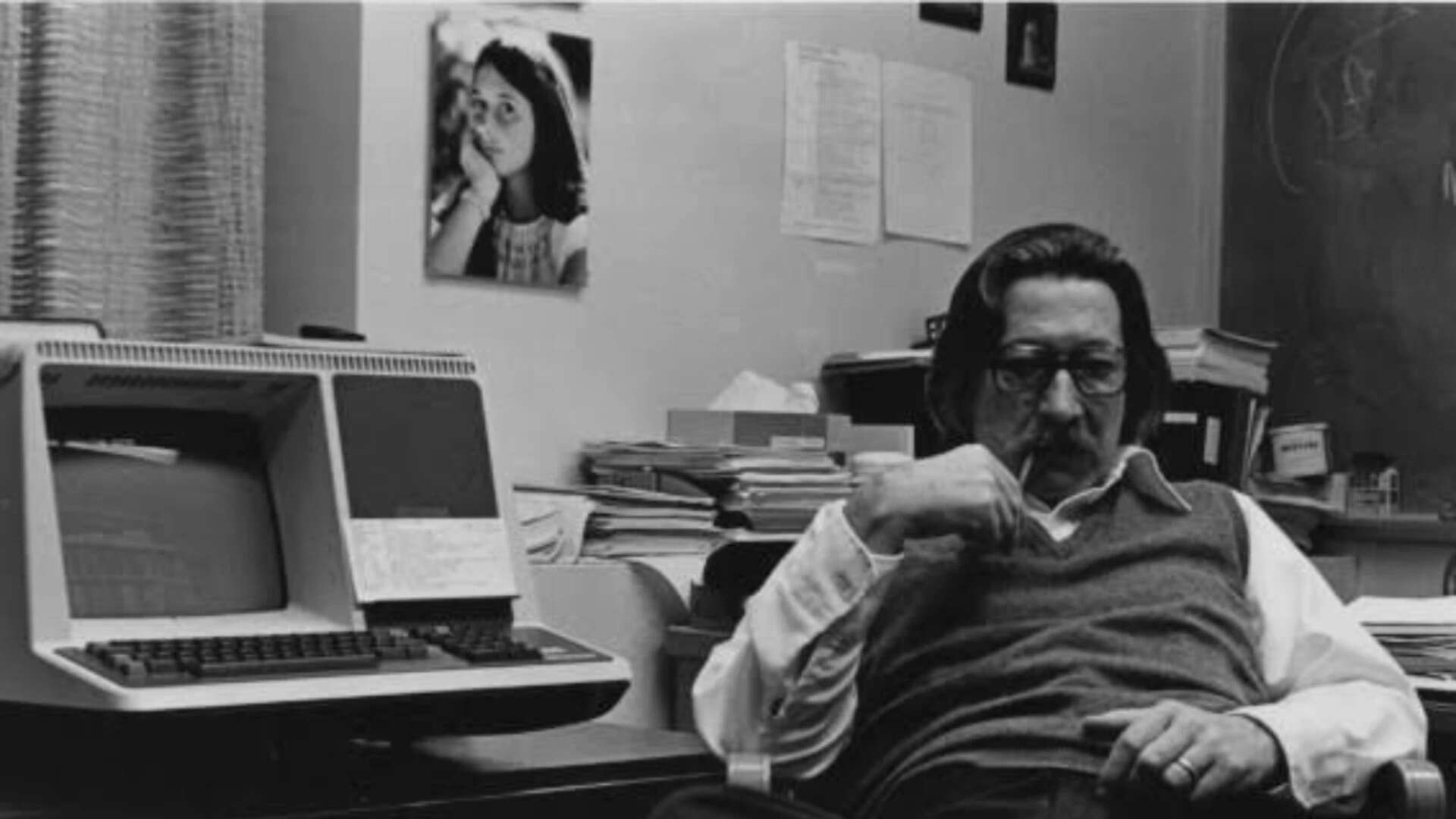
In the 1960s, Joseph Weizenbaum pioneered the first chatbot, named Eliza, which unveiled a startling truth: humans could emotionally bond with machines. This insight led him to caution against the potential of AI usurping human empathy. Weizenbaum’s assertions about the risks of deceiving machines fostering misplaced trust echo powerfully in today’s landscape of artificial intelligence.

Trending
- ‘Holding Tehran accountable for Hormuz aggression’: US launches fresh strikes against Iran
- Scientists invented a fake eye disease to see if AI chatbots could spot it, but the experiment took an unexpected turn
- YouTuber Rusty Cage goes viral after testing how long a Lone Star tick can survive
- Isro successfully conducts key test on main parachutes for Gaganyaan crew module
- ‘Milestone in aviation’: CSIR-NAL completes design of indigenous Saras MkII transport aircraft
- UAV crashes during training sortie near Porbandar; no loss of life: Navy
- Computer scientist who created world’s first chatbot in the 1960s spent his whole life warning that AI should never replace humans, and the reason will shock you
- Who was Connor Murphy’s alleged girlfriend? What we know about their relationship