





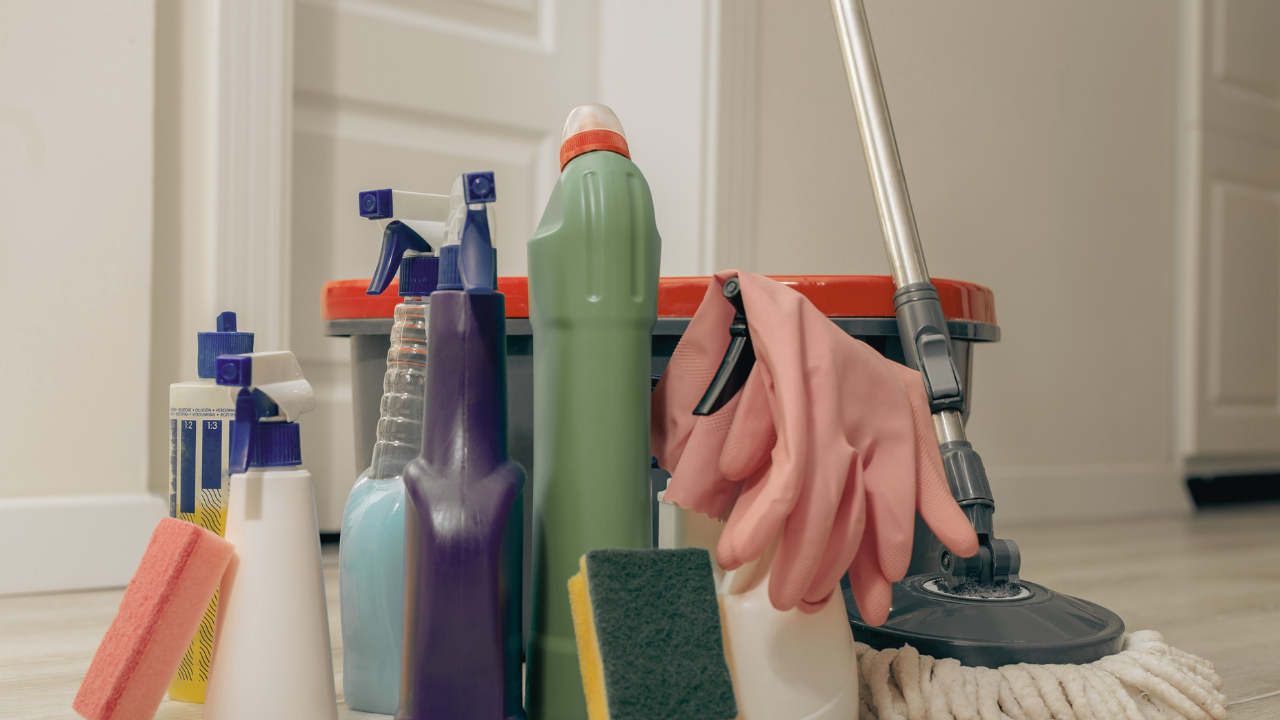
A study conducted at Purdue University reveals that scented cleaning products release compounds that react with indoor ozone, leading to the quick formation of ultrafine particles that may diminish air quality. During cleaning in confined areas, these particles can accumulate significantly. While maintaining cleanliness is essential, it is wise to minimize exposure to chemical byproducts through methods like opting for fragrance-free alternatives and ensuring adequate ventilation. A study conducted at Purdue University reveals that scented cleaning products release compounds that react with indoor ozone, leading to the quick formation of ultrafine particles that may diminish air quality. During cleaning in confined areas, these particles can accumulate significantly. While maintaining cleanliness is essential, it is wise to minimize exposure to chemical byproducts through methods like opting for fragrance-free alternatives and ensuring adequate ventilation.