
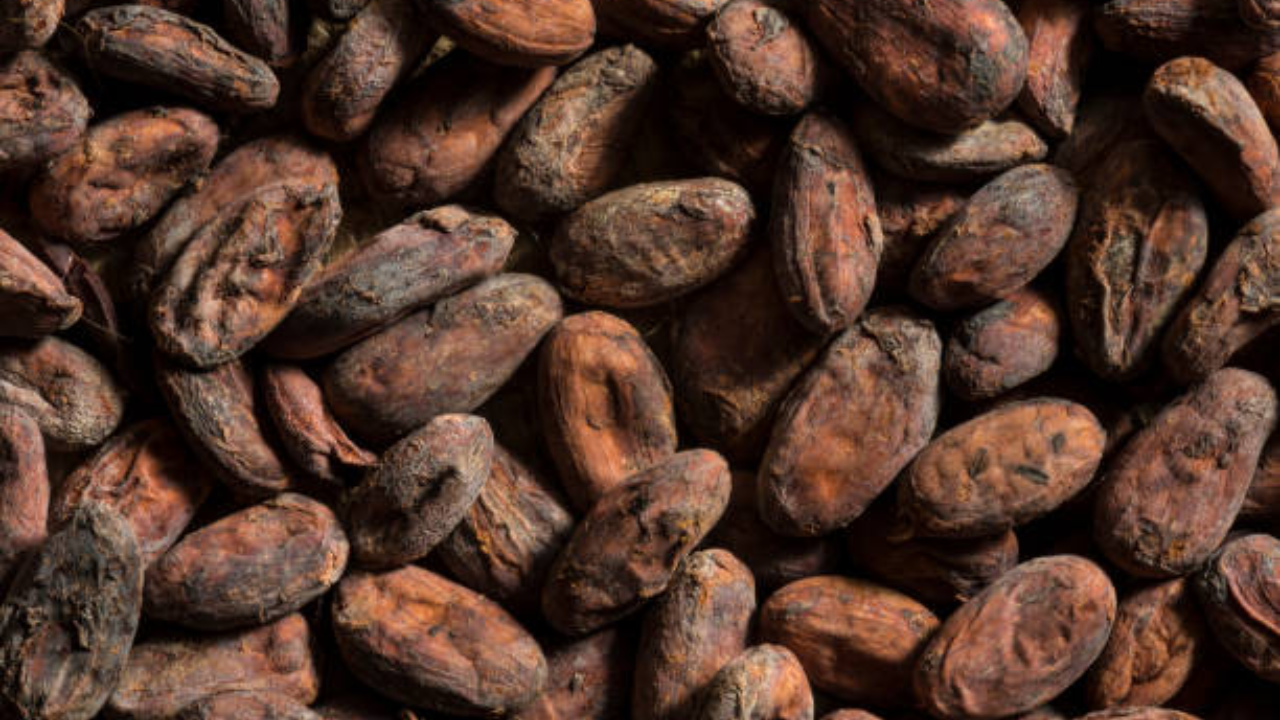
Research conducted at the Etowah Indian Mounds has revealed cacao residue in 11th-century pottery, illustrating that the Mississippian culture actively consumed cacao as part of their lifestyle. This discovery suggests interconnected trade networks similar to those seen in Chaco Canyon, hinting at shared cultural exchanges. The distinct pottery styles from Etowah further emphasize this cultural interaction, prompting further investigation into these ancient societies. Research conducted at the Etowah Indian Mounds has revealed cacao residue in 11th-century pottery, illustrating that the Mississippian culture actively consumed cacao as part of their lifestyle. This discovery suggests interconnected trade networks similar to those seen in Chaco Canyon, hinting at shared cultural exchanges. The distinct pottery styles from Etowah further emphasize this cultural interaction, prompting further investigation into these ancient societies.
Trending
- Germany is turning abandoned coal mines into 23 lakes and a wetland landscape
- Michigan man turns old bike parts into prosthetic legs; gives design away for free
- Four nations, four drills, one month: How the army is expanding its military partnerships
- ‘Gyanesh, it’s done, bro, time to resign’: Rahul Gandhi as INDIA bloc march to EC stopped
- Southern California’s mountain frogs begin their return with 650 releases
- New Jersey wildlife centre cares for 219 box turtles dumped near river
- UIDAI announces new SOP for changing name on Aadhaar, here’s what you need to know
- ‘I have done my duty’: Harmanpreet Kaur steps down as India captain

Ancient pottery reveals earliest known chocolate traces east of Mississippi
 By
By

Add A Comment