
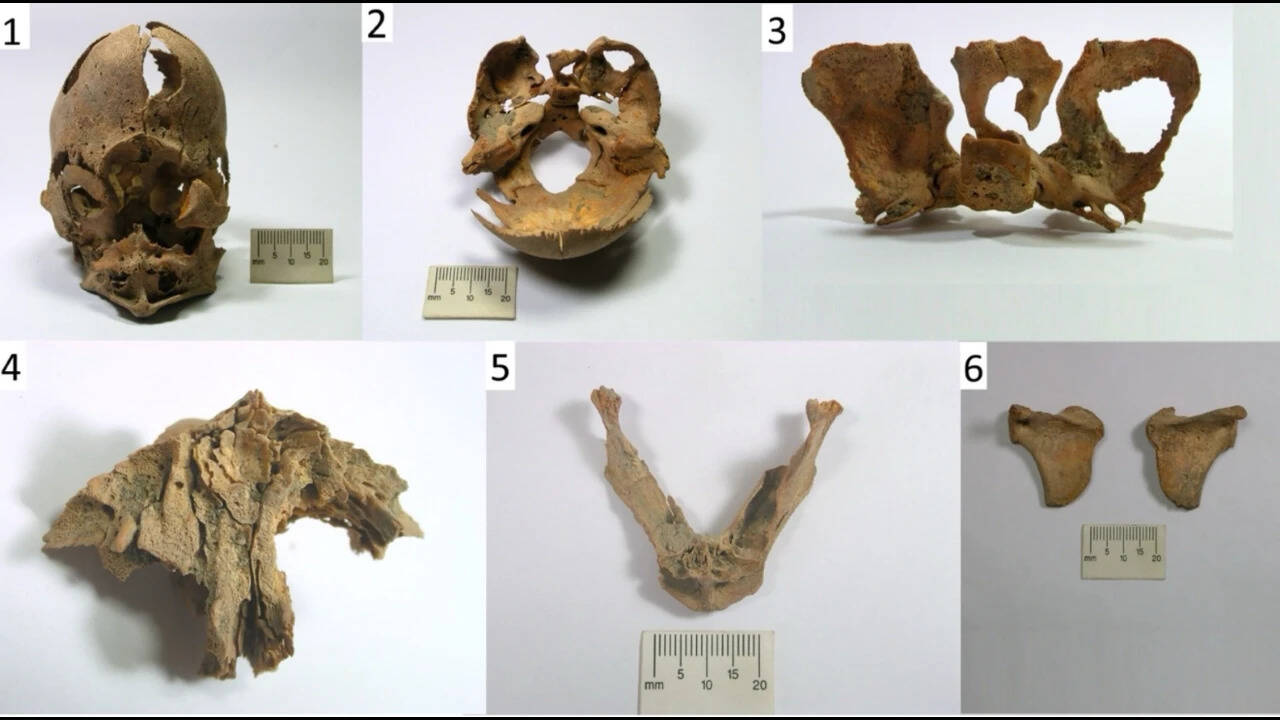
In southern Peru, archaeologists uncovered the remains of two infants buried together, one exhibiting cyclopia. Genetic analysis confirmed that the infant with cyclopia had trisomy 13, a chromosomal condition. Their burial in a single ceramic vessel reveals insights into ancient funerary practices. Researchers highlighted that the infant’s condition did not result in unusual treatment in life or death. This discovery emphasizes the historical presence of congenital differences in human populations. In southern Peru, archaeologists uncovered the remains of two infants buried together, one exhibiting cyclopia. Genetic analysis confirmed that the infant with cyclopia had trisomy 13, a chromosomal condition. Their burial in a single ceramic vessel reveals insights into ancient funerary practices. Researchers highlighted that the infant’s condition did not result in unusual treatment in life or death. This discovery emphasizes the historical presence of congenital differences in human populations.
Trending
- UK to extradite PIO bizman to US for cancer drugs fraud
- Travis Kelce-backed Six Flags faces $5 billion debt crisis amid park sale fears
- Pennsylvania father barred mother from daughters’ school photos and tennis matches; court upheld her authority
- A 10-year-old boy noticed his father’s speech slurring during a drive; helps his dad survive a stroke
- In 2024, New Jersey began restoring a 290-acre marsh and former industrial site
- Pak sending ‘experienced’ minister for Delhi event
- Govt opens applications for companies to be consent managers under data law
- Online platforms liable for banned listings: Panel

Ancient DNA explains cyclopia in 1,600-year-old infant found in Peru
 By

Add A Comment