
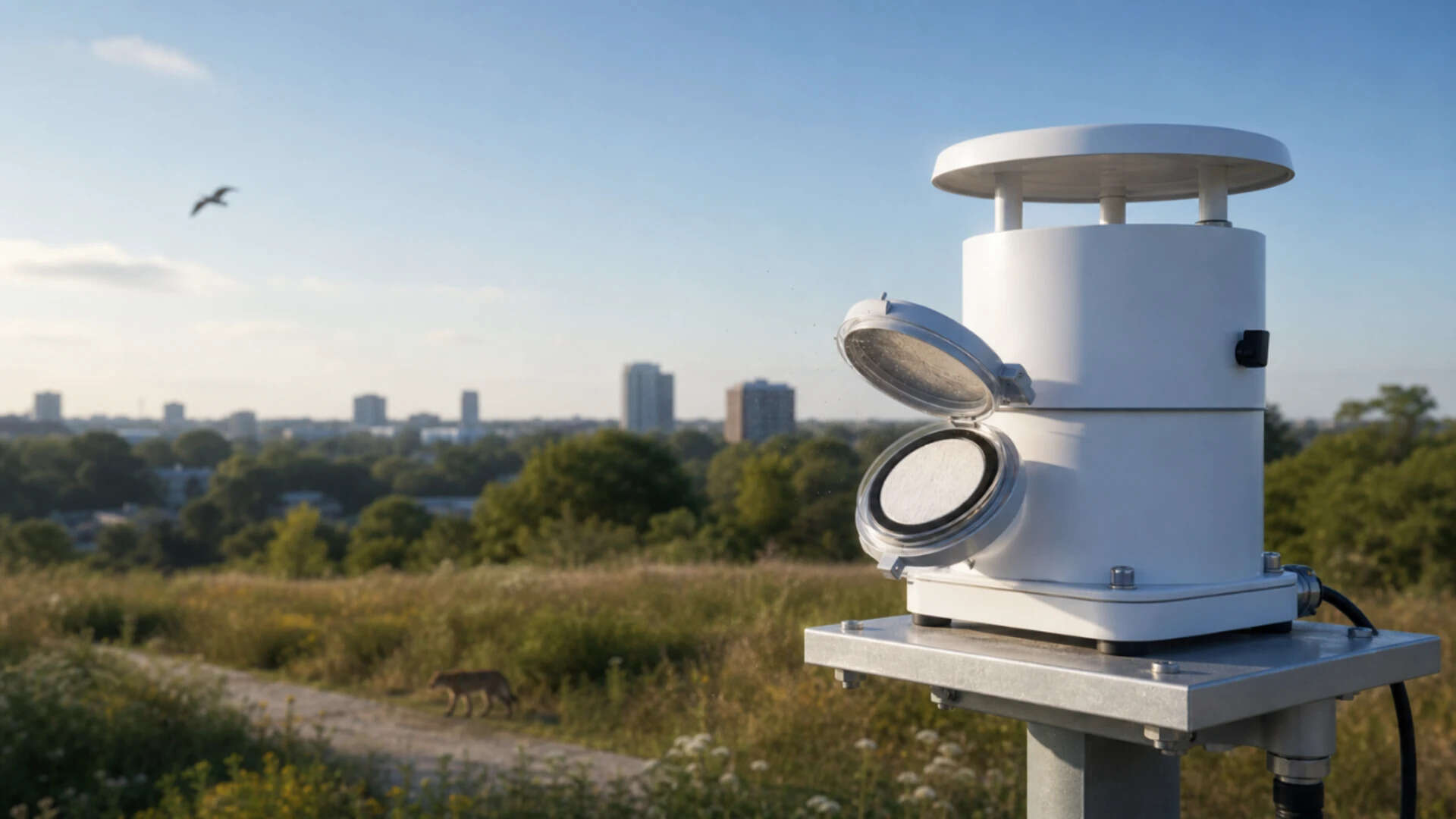
Innovative scientists have developed a method to analyze airborne environmental DNA using standard air filters. This groundbreaking technology can detect local wildlife and monitor viruses without the need for direct observation. Existing national air pollution monitoring stations are already harnessing this essential biological data. Utilizing advanced sequencing techniques, researchers can map entire ecosystems and explore genetic variations within species. Innovative scientists have developed a method to analyze airborne environmental DNA using standard air filters. This groundbreaking technology can detect local wildlife and monitor viruses without the need for direct observation. Existing national air pollution monitoring stations are already harnessing this essential biological data. Utilizing advanced sequencing techniques, researchers can map entire ecosystems and explore genetic variations within species.
Trending
- Scientists tracked 6,000 penguin dives beneath Antarctic sea ice and found that…
- ‘More people will leave TMC because of dictatorship’: Ritabrata Banerjee after Koel Mullick’s Rajya Sabha exit
- Woman waiting at Mangaluru bus stop hacked to death; one-sided love angle emerges
- ‘500 farmers join CJP protest’: Sonam Wangchuk gets support from Rakesh Tikait, Kejriwal at ‘packed’ Jantar Mantar
- Spain is turning olive pits into road material that could cut asphalt emissions
- NRI wife says neighbor called cops when she and her husband were arguing: ‘Police took my husband to the station, I don’t know what to do’
- Brains without borders: US central bank picks merit over MAGA hysteria
- ‘Everyone does naarebaazi in democracy but … ‘: Why Supreme Court told Chandigarh admin to ‘argue on merits’ in Bhagwant Mann case

Air filters can now collect DNA traces from wildlife, viruses and humans
 By
By

Add A Comment