
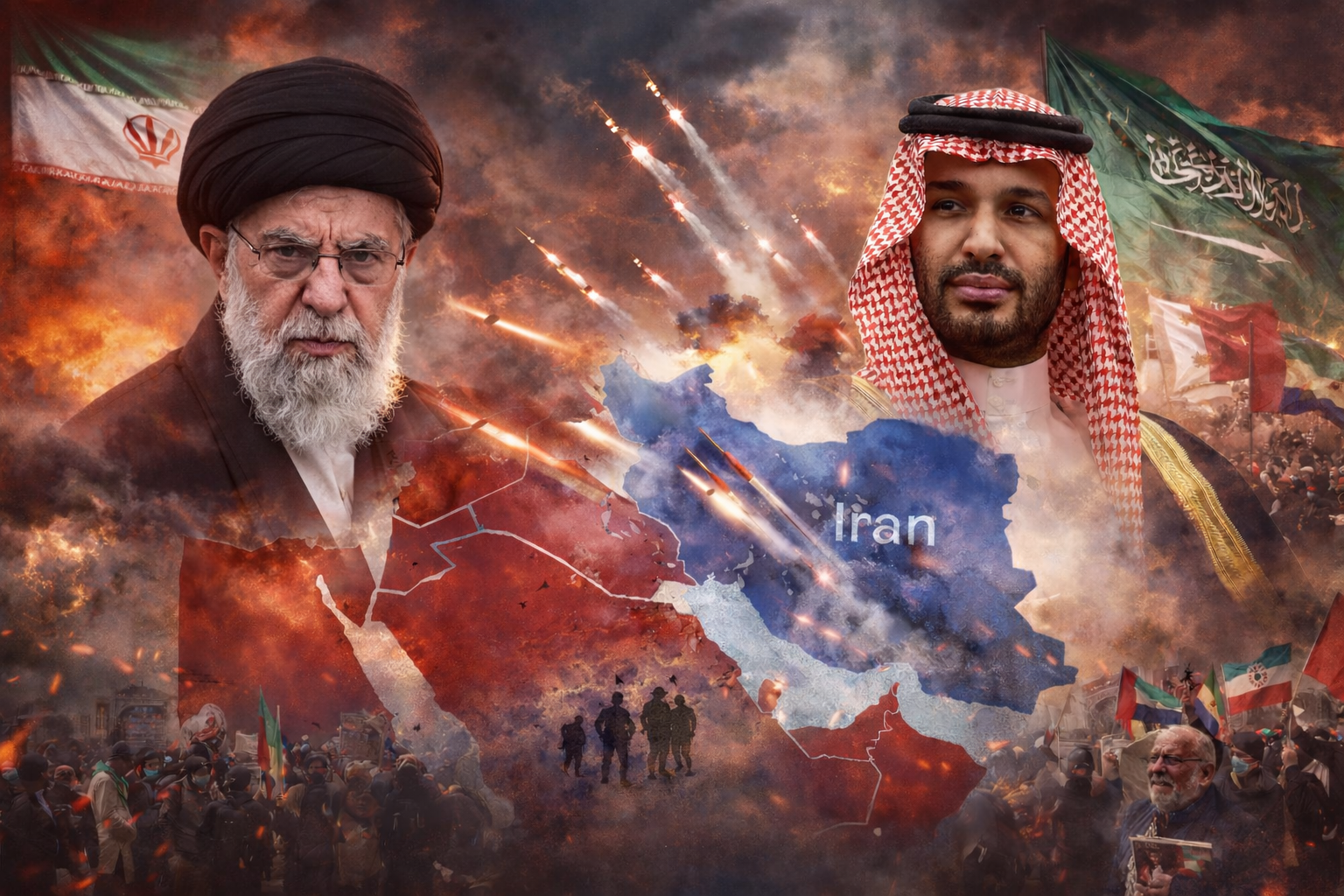
For decades, West Asia had learned to live with tension. Proxy battles, covert strikes, deniable operations and quiet escalations had defined the region’s uneasy equilibrium. But what unfolded in recent weeks broke that pattern. Iran did not just respond to the joint strikes by the United States and Israel, it widened the battlefield. In doing so, it dragged the Gulf into a conflict many believed would remain contained between Tehran, Washington and Tel Aviv. The shock was not limited to the region. For decades, West Asia had learned to live with tension. Proxy battles, covert strikes, deniable operations and quiet escalations had defined the region’s uneasy equilibrium. But what unfolded in recent weeks broke that pattern. Iran did not just respond to the joint strikes by the United States and Israel, it widened the battlefield. In doing so, it dragged the Gulf into a conflict many believed would remain contained between Tehran, Washington and Tel Aviv. The shock was not limited to the region.
Trending
- Rohit Sharma scripts history with 50th IPL fifty, joins Virat Kohli in elite list
- Dalal Street heads for holiday-shortened week amid Mahavir Jayanti, Good Friday
- Kharg of US brigade: Pentagon lines up troops to capture Iranian island
- Texas oil tycoon ordered to pay $1.1 billion after thrashing 2-year-old stepson, leaving him wheelchair-bound for life
- FBI offers new $25,000 reward for missing woman 28 years after disappearance: The curious case of Amy Bradley
- Google fights legal fee bill; contests C$370,000 cost claim
- KPMG UK puts nearly 600 audit jobs at risk as cost pressure deepens
- IPL 2026: Rohit Sharma shell-shocked after dropping sitter off Raghuvanshi – Watch

A shadow war? The Shia-Sunni equation behind Iran’s Gulf attacks
 By
By

Add A Comment