
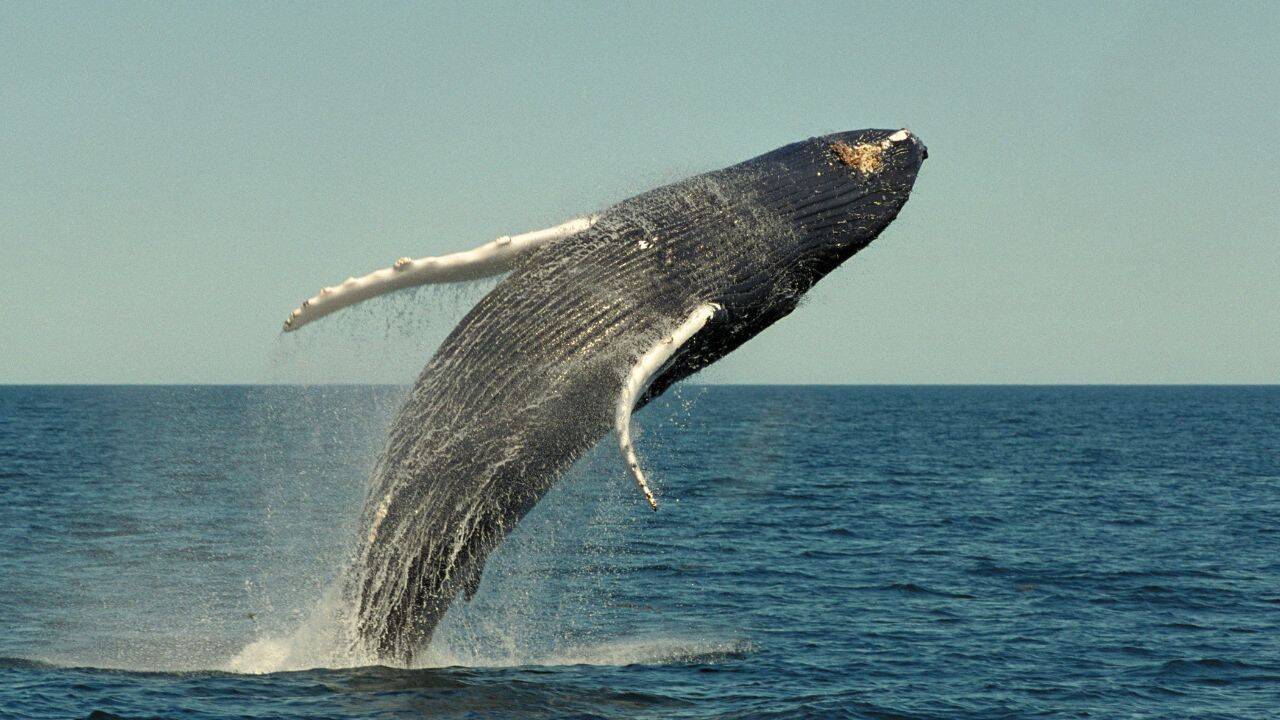
Researchers at the University of St Andrews have pioneered a groundbreaking technique to harness whale DNA through the use of drones. This method captures genetic material from the whales’ breath, often referred to as whale snot. Their findings successfully sequenced complete genomes from specimens gathered off the coast of British Columbia. Researchers at the University of St Andrews have pioneered a groundbreaking technique to harness whale DNA through the use of drones. This method captures genetic material from the whales’ breath, often referred to as whale snot. Their findings successfully sequenced complete genomes from specimens gathered off the coast of British Columbia.
Trending
- India, Nepal set to ink pacts on energy, infra, tech on Balen Shah’s 1st visit
- NHAI puts 50,000 km of highways under dashcam watch, to automate penalties for contractors
- Wyoming court upholds $101,232 award in dispute over family ranch and proposed hospital sale
- 258 seats secured: US Democrats win largest House tally since 1992
- Goldie Hawn joins 1,700 at Atlanta luncheon raising $1.08m for women and girls
- A British shopper paid just £20 for a painting at a charity shop, then an expert identified it as a 160-year-lost Nicholas Chevalier landscape; it is now expected to fetch up to £20,000 at a December auction
- Trump threatens fresh strikes on Iran after New Year if talks fail
- Atlanta’s abandoned prison farm, with crumbling buildings and a former zoo-animal cemetery, could become a public park and memorial; the city has unveiled plans but must first relocate a bomb range

Scientists sample humpback whale breath by drone, find 3 new genetic variants
 By

Add A Comment